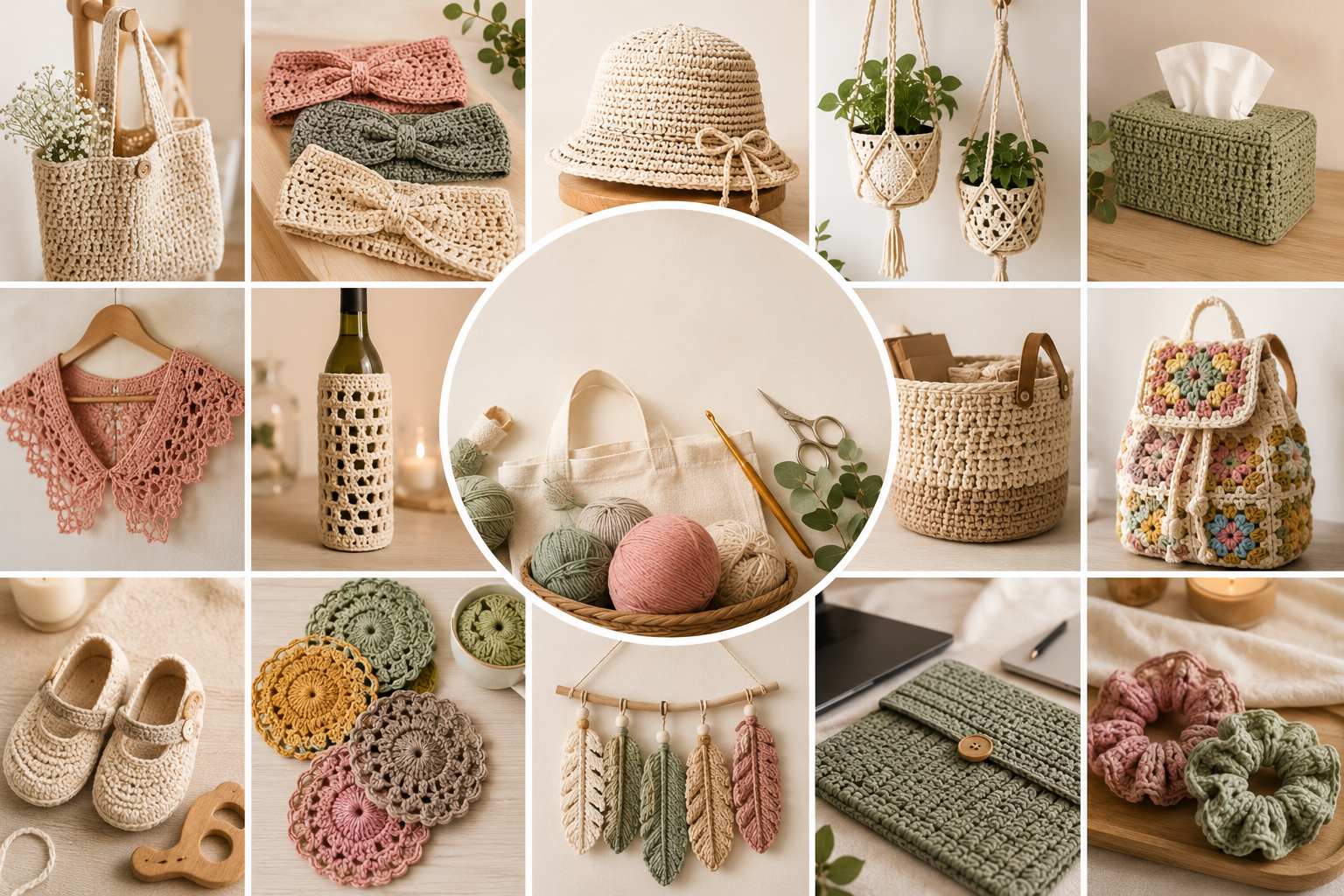
Ready to rethink your craft booth and earn steady income? This short guide points crafters in the United States toward 15 focused markets that go beyond the usual blankets and amigurumi. It shows how smart designs and quick items can attract customers at farmers markets and seasonal craft fairs.
Successful sellers balance creative patterns with the real time each item takes. Many vendors, as Dana Hogan noted in 2021, pick products that sell well in small batches or bulk. That helps avoid earning the equivalent of a few dollars per hour.
You will read about baby hats, wall decor, coasters, bags, scarves and more. The goal is clear: make fun pieces that are fast, gift-ready, and priced for profit. This blog will help you find workable markets and a simple way to plan product lines for craft fair success.
Understanding the Business of Crochet Niche Ideas to Sell
Choosing a narrow market segment helps makers convert craft time into steady income. That clear focus guides what patterns and designs you develop next.
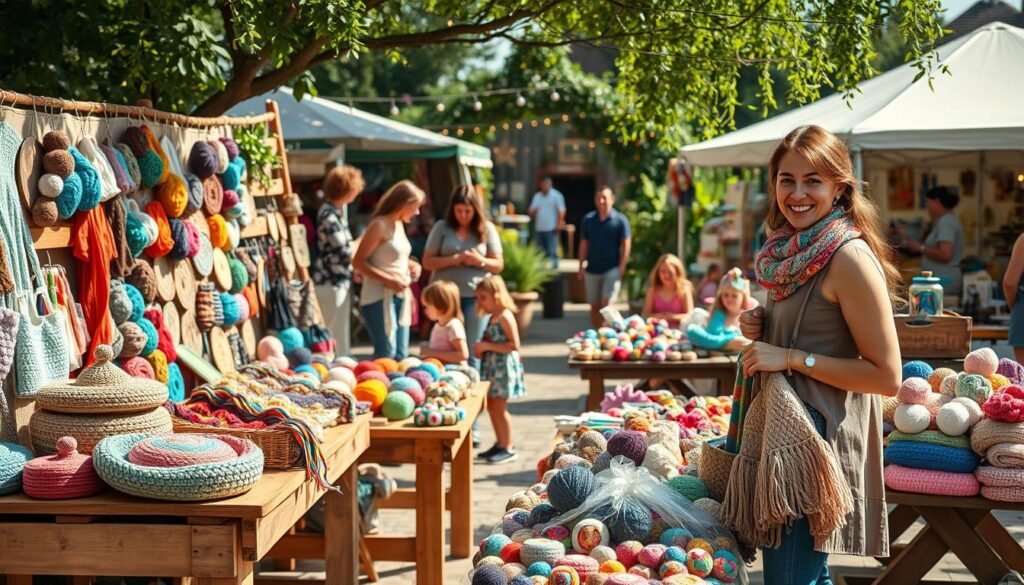
Start by defining who will buy your items and why they will choose your product over others. A market is simply a slice of people with shared needs—parents shopping for baby gifts, commuters needing quick storage, or shoppers hunting for colorful hats.
Defining Your Market
List customer traits: age, budget, and preferred colors. Test a few crochet patterns with friends and craft groups. Track which items get the most interest.
Assessing Personal Resources
Count your time, money, and tech skills. Factor yarn costs and how long each product takes to make. Use social networks to get early feedback.
- Focus on one product type for faster production and better pricing.
- Plan for materials, packaging, and small marketing costs.
- Use feedback to refine patterns and find what items sell best.
Keep decisions simple: match your strengths with a clear customer group and you’ll build a more sustainable craft business that earns real income.
Evaluating Profitability and Time Investment
Before you scale production, run a simple hourly audit to see which items make profit. Track the minutes spent on each product and add material costs. This reveals your true hourly rate.
Many makers undervalue their work and end up earning close to $3.00 an hour. That happens when complex patterns for baby goods or elaborate designs take far longer than buyers will pay for.
Focus on products you can complete in a few hours. In one day you can build stock for weeks or months, which raises total income without extra marketing effort.
- Calculate yarn and supply costs plus your desired hourly wage.
- Compare time per product with typical market prices for similar items.
- Prioritize efficient designs that customers love and that sellers can reproduce quickly.
Price fairly: set product rates that cover materials, labor, and a profit margin so your small business stays sustainable.
Trendy Hair Accessories for Quick Sales
Shoppers love small, bright accents that update outfits with little expense. Hair scarves, bandanas, and clips are perfect for that impulse buy at weekend markets.
Popular Hair Scarf and Bandana Styles
Free crochet patterns exist for flower clips, headbands, scrunchies, hair scarves, and bandanas. These patterns let makers offer affordable items that attract new customers.
Small accessories use leftover yarn and take little time to finish. That means higher profit per hour than larger clothing pieces like hats or bags.
- Scarves and bandanas: quick strips or triangle shapes in bold colors.
- Clips and headbands: pair with simple flower or bow motifs.
- Scrunchies: fast, trendy, and great for color variety.
Tip: Offer a free crochet pattern card for one simple item to gather emails and encourage repeat purchases. These small things often sell well and boost daily totals at any craft fair.
Functional Plant Decor for Nature Lovers
Small, functional plant decor can turn casual browsers into buyers within minutes. These handmade items suit farmers market customers who already love fresh produce and houseplants.
Use simple patterns for farmhouse hanging baskets, pineapple planters, and woven baskets. Covers for small pots work up fast and use little yarn. That keeps material cost low and cuts production time.
“A cozy plant cover or hanging basket adds charm and purpose to any home,” many market vendors report.
| Design | Yarn Needed | Time to Make | Market Appeal |
|---|---|---|---|
| Farmhouse hanging basket | Medium weight, 2–3 skeins | 1.5–2 hours | High for rustic home decor |
| Pineapple planter | Sport weight, 1–2 skeins | 1 hour | High for gift buyers |
| Woven pot cover | Bulky, 1 skein | 30–45 minutes | Good for impulse buys |
These craft pieces appeal to people who want handmade accents in their home. Beginners can master these designs quickly and offer a range that makes your booth feel cohesive.
Portable Storage Solutions for Teens and Commuters
Portable storage pieces sell fast because they solve everyday clutter in backpacks and purses. Teens and commuters want small, bright pouches that hold ChapStick, ear buds, coins, and a phone charger.
Design for speed and variety: treasure purses and zipper pouches work up quickly and can be made in batches. Use bold colors and simple patterns to grab attention at any market.
Designing Treasure Purses
Treasure purses are tiny and playful. Make them with snap closures or short straps. Offer tiny, themed designs that appeal to teens and younger buyers.
Zipper Pouch Variations
Zipper pouches add security and come in multiple sizes. Produce coin-size, headphone-size, and larger bags so customers can pick the perfect fit.
- Fast projects that save time and yarn.
- Display multiple colors to attract younger shoppers.
- Batch production allows steady inventory for craft fairs.
Kitchen and Spa Essentials for Repeat Customers
Every market table needs a handful of practical goods that people actually use daily.
Handmade dishcloths and face scrubbies are reliable best sellers. Many shoppers recall the texture of cotton cloths as a warm, heirloom-style gift from family members.
Scrubbies work for dishes or facial care when made from soft, non-scratchy materials. A household often keeps a stack of 25, so shoppers buy extras and come back for replacements.
Offer single pieces or mixed spa sets priced around $6 each. Sets increase average order value and make perfect gift bundles for local customers.
- Use simple patterns that take little yarn and little time.
- Mix colors so buyers can match home decor.
- Sell individual cloths, 3-pack scrubbies, or a spa set for gifting.
Tip: Low-cost supplies and quick projects boost profit margins and build a steady base of repeat customers for any craft market or booth.
Unique Jewelry and Wearable Crochet Designs
Wearable art adds an instant personal touch that customers notice right away. Small jewelry and wrist accessories are easy to try on and travel well for markets or festivals.
Crochet Earrings for Sensitive Skin
Lightweight earrings appeal to people with metal sensitivities. Use hypoallergenic hooks and soft thread for a comfortable fit.
These pieces work fast and cost little in yarn and time. Offer a few colorways and simple shapes for quick production.
Beaded Wrist Wallets
Wrist wallets, like the Petite Pocket, mix fashion with function. Price the Petite Pocket at $15 for an attractive, impulse-friendly option.
Beads and closures add value while keeping materials minimal. Customers love them at festivals or beach trips.
Essential Oil Roller Cozies
Roller cozies sell well at $5–$8 and make great gifts for friends who use aromatherapy. They are a one-day project that stacks well for busy markets.
“Small wearable pieces are perfect for buyers who want a quick, thoughtful gift,”
| Item | Materials | Time | Price |
|---|---|---|---|
| Lightweight earrings | Thread, hypoallergenic hooks | 15–30 minutes | $8–$20 |
| Petite Pocket wrist wallet | Sport yarn, beads, zipper | 1–2 hours | $15 |
| Essential oil roller cozy | Sport or DK yarn, elastic loop | 20–40 minutes | $5–$8 |
Tip: Share a free crochet pattern on your blog for one small accessory. That builds trust and brings customers back for matching pieces.
Niche Home Decor and Lifestyle Accessories
Add statement home goods that stop shoppers and make your booth feel curated.
Boho trends favor mini hammocks, trivets, and textured wall hangings. These pieces mix natural colors and simple fibers for a relaxed look.
The Desert Willow Bag is a premium pattern that often draws customers at any market. Mesh market bags in cotton blends work well for summer and are useful items people actually use.
Offer a range of patterns and sizes so buyers can mix and match coasters, grocery bag savers, and small hammocks. That variety helps crochet items sell across age groups.
| Product | Fiber | Time | Appeal |
|---|---|---|---|
| Desert Willow Bag | Cotton blend | 2–4 hours | High—statement piece |
| Mesh market bag | Cotton or linen | 1–2 hours | Seasonal best seller |
| Mini hammock / wall hanging | Natural yarn | 1–3 hours | Boho home accent |
| Trivet / coaster set | Cotton | 30–60 minutes | Impulse gift |
Tip: Build a cohesive collection of home goods so buyers can envision a full room. That approach turns quick pieces into lasting customer relationships.
Conclusion
Wrapping up with practical action steps helps artisans move from hobby to steady income. Focus on what you enjoy making and test those items with real customers.
Prioritize profitability, clear pricing, and products that highlight your unique style. Use vibrant yarn or soft neutrals—both can draw attention when paired with good display and helpful staff.
Build a genuine connection with people at markets. Offer quality, be consistent, and refine your product line by experimenting across home goods, wearables, and small accessories.
We hope these 15 market prompts inspire growth in your small business and help you share beautiful crochet pieces with the world.