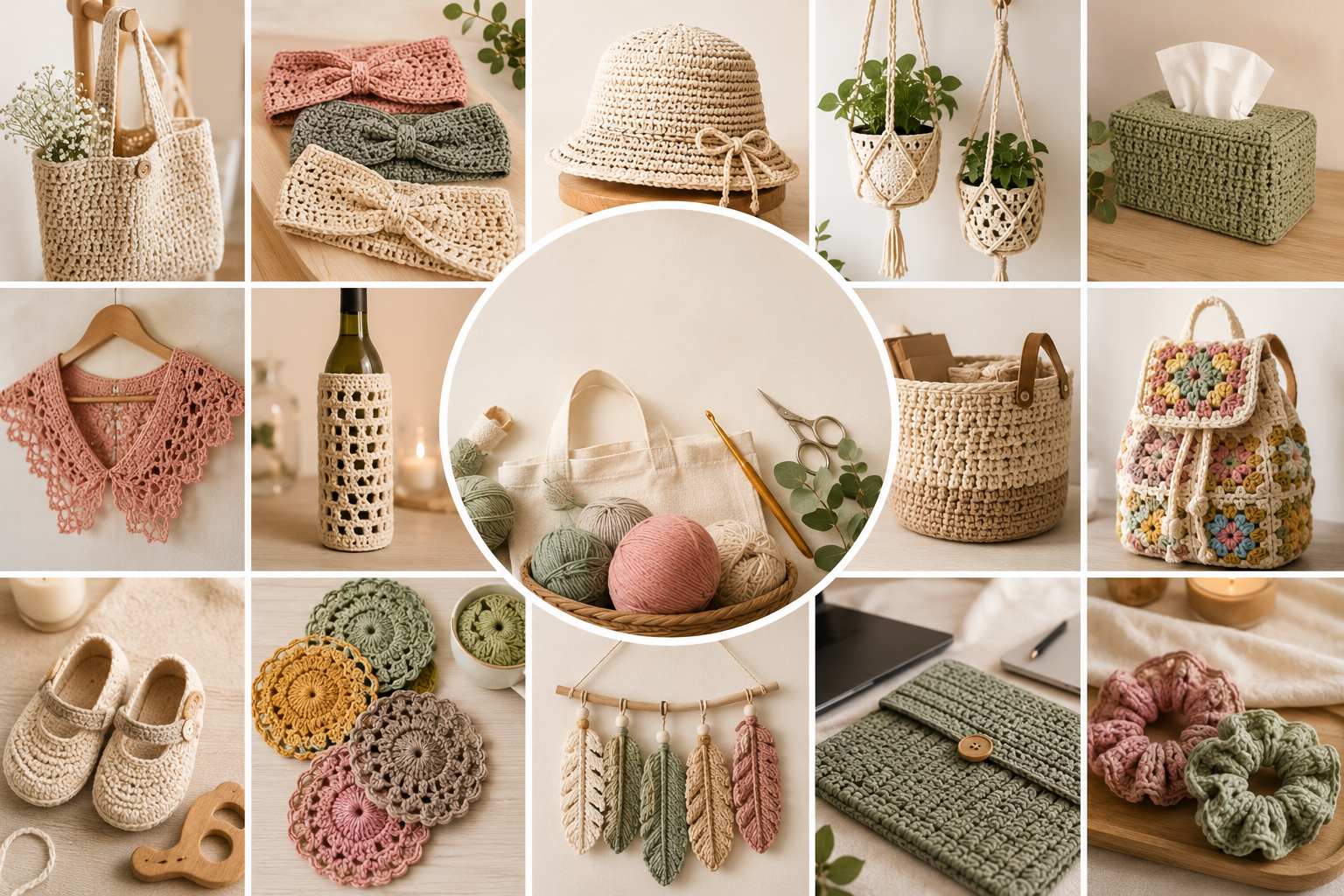
Running a small craft business means balancing promotion and authenticity. This short guide lays out a month-long strategy to help you plan posts that reach your audience while keeping your brand voice genuine.
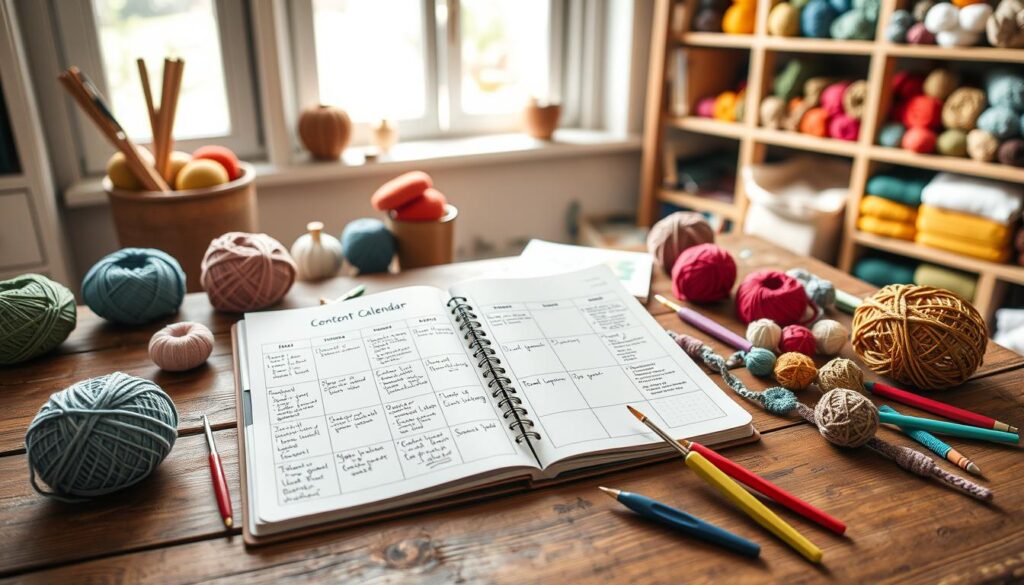
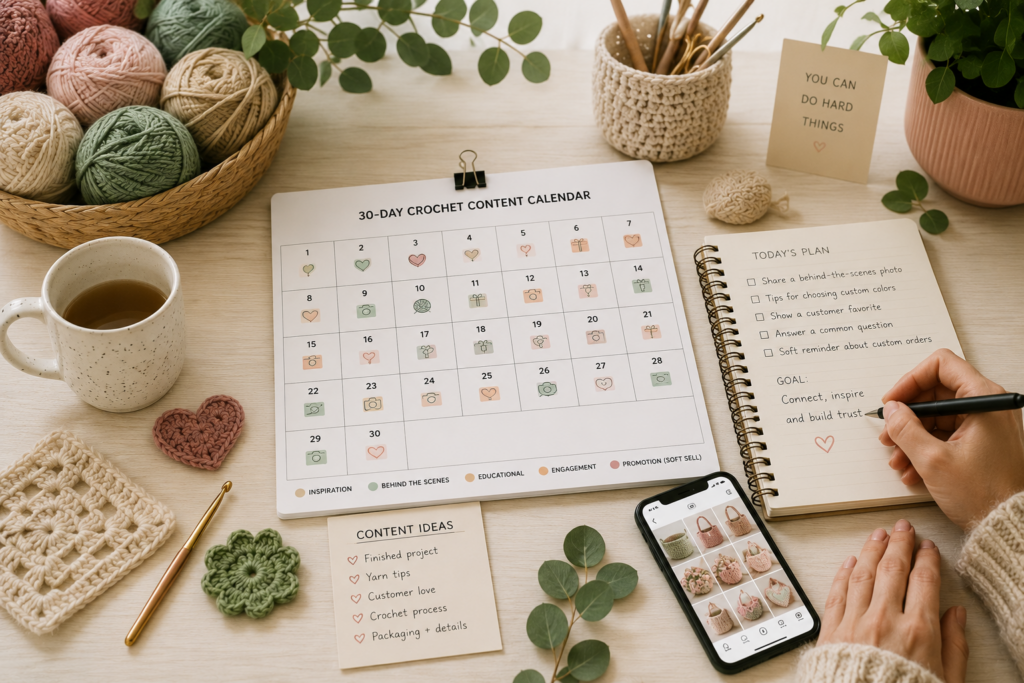
Ashley from A Crafty Concept created the 2023 Content Calendar to help makers organize their goals. Use that template to map each day with a clear goal, whether it boosts brand awareness or invites community engagement.
By planning one month at a time, you stay consistent without feeling pushy. This approach keeps your business relevant in today’s busy market and supports long-term success with steady, practical planning.
Building a Sustainable Crochet Content Calendar for Sellers
Good planning helps makers stay visible without losing their artistic focus. A well-structured plan acts as the linchpin of a modern small business.
A sustainable approach ties social media and marketing work to clear business goals. When you map a month of posts, you turn random sharing into steady growth and more predictable sales.
“A content calendar is the linchpin for brand success in the modern digital world.”
- Plan themes by week to save time and keep the audience engaged.
- Align each post with a goal—awareness, trust, or direct sales—so the strategy supports long-term success.
- Coordinate media across platforms so your crochet business stays visible throughout the month.
Defining Your Brand Voice and Target Audience
Knowing who you serve makes every message more useful and easier to write. Define your ideal buyer and the tone that fits your small business. Clear direction saves time when you plan posts and write copy.
Understanding Your Ideal Customer
List basic traits: age, skill level, buying habits, and creative needs. Note whether your audience prefers quick how-tos or long tutorials.
When you map these traits, you can tailor copy that speaks directly to their goals. This improves engagement and repeat interest.
Establishing a Consistent Brand Identity
Pick three voice tones—friendly, expert, and practical—and use them across platforms. A steady brand makes your business feel reliable.
“Consistency builds trust; trust turns followers into customers.”
| Element | Example | Why it matters |
|---|---|---|
| Voice Tone | Friendly, expert, practical | Keeps messaging uniform and approachable |
| Audience Focus | Beginners & experienced makers | Allows targeted offers and tutorials |
| Business Goals | Awareness, trust, sales | Aligns every post with purpose |
Categorizing Your Content for Consistent Posting
Organizing posts into clear buckets makes posting less stressful and more strategic. A simple system helps you use your time smarter and keeps your social media feeds steady over a month.
Showcasing Works in Progress
Share short updates that show a project at different stages. These posts invite curiosity and get questions from your audience.
Makers often join March Meet the Maker or Amigurumay to keep a steady flow of ideas. Use those prompts to fill a lot of slots in your plan.
Highlighting Finished Products
Feature a finished product or a new pattern release to drive traffic to your shop. Clear photos and a brief note about materials or price make these posts easy for customers to act on.
Sharing Behind the Scenes Personal Stories
Short personal notes help people feel connected to your business. Talk about your workspace, tools, or a tiny success. These moments build trust over time.
- Keep a dedicated phone folder or space to store photos.
- Mix WIP, finished pieces, and life posts so you never run out of ideas.
- You don’t need to post every day; have a stock of ideas ready.
Essential Tools for Planning Your Monthly Strategy
Picking the right planning tools saves time and reduces stress in a busy creative business.
Use a physical or digital planner to map each week of the month. The 2023 Content Calendar for Crocheters is 8.5 by 11 inches and has a soft, rubbery matte finish that stands up to daily use.
Track yarn inventory and upcoming pattern releases in a simple spreadsheet or app. That lets you see stock levels and deadlines at a glance.
Keep a short notes area in your blog or planner for marketing trends you notice. Jotting ideas helps you refine your process and reuse what works.
Many makers mix tools: a paper pad for quick sketches, a shared online sheet for scheduling, and a timer app to protect creative time.
| Tool | Use | Benefit |
|---|---|---|
| Printed planner (8.5×11) | Monthly overview | Durable, tactile reference |
| Spreadsheet or app | Inventory & dates | Quick updates, access anywhere |
| Blog notes / planner | Marketing ideas | Retains trends, improves posts |
| Time tracker | Daily routines | Balances making and admin |
Make a short routine to review tools each week. That keeps your plan flexible and your small crochet business moving forward.
Executing Your Thirty Day Promotional Plan
A 30-day promotional push works best when each post has a clear purpose. Map a simple mix of helpful posts and direct offers across the month. That way your social media stays useful and your business stays visible.
Balancing Promotional Posts with Value-Driven Content
Start each week with a helpful post: a tip, a short how-to, or a favorite yarn and why it matters. Midweek, share a finished product or a new pattern and link to your shop.
Show your face once a month. A quick intro video builds trust with customers and friends. Use motivational posts and behind-the-scenes photos to keep media fresh.
Pro tip: mention a program that helps structure growth, such as the Crochet Boss Academy doors opening on February 27, 2023, when you want a clear path to scale.
| Post Type | When | Goal |
|---|---|---|
| How-to tip | Weekly | Build trust |
| Product highlight | Twice a month | Drive sales |
| Personal story / face | Monthly | Connect with audience |
Strategies for Engaging Your Crochet Community
Small interactions on social platforms can grow a supportive circle around your work. Short questions in captions invite your friends and wider audience to pause and reply.
Plan engagement into your content calendar so each week includes one post that asks for input. That simple step makes followers feel heard and keeps your media active without extra stress.
Reply to comments quickly. A prompt answer turns a casual remark into a conversation and shows you value feedback. Over time, those exchanges build trust in your crochet business and encourage repeat interaction.
Use varied prompts: quick polls, caption questions, or behind-the-scenes asks. Track which posts spark the most replies and repeat those formats.
“Community growth is steady work, but it pays off in loyal customers and real connections.”
Remember: engagement takes time and intention, but a planned approach helps your business grow while keeping relationships real.
Measuring Success and Refining Your Approach
Tracking monthly metrics shows which posts create real momentum. Start with a simple set of numbers you can check in a few minutes each week.
Tracking Key Performance Metrics
Note reach on social media and clicks to your shop or blog. Track which product or pattern posts drove the most sales that month.
Compare January and December stats to spot growth and changes over time. That comparison highlights seasonal shifts and what your audience prefers.
Making Data-Driven Adjustments
Use basic tools to review reach, engagement, and conversion. Small tests—like swapping a photo or changing post copy—reveal what moves customers.
Celebrate wins and note goals that need more attention. Adjust your strategy each month so the plan keeps pace with your business and the market.
“Measure the actions that link back to your shop; that is true success.”
| Metric | Why it matters | How to act |
|---|---|---|
| Reach | Shows visibility on media | Boost posts that grow reach |
| Clicks | Signals interest in product or shop | Improve copy and calls to action |
| Sales by post | Direct link to revenue | Repeat formats that sell |
Conclusion
A simple, repeatable plan makes promotion feel like part of your creative work, not a separate chore.
Use a monthly schedule to stay organized and visible. Small, steady steps help your shop grow and keep your voice authentic.
Every post is a chance to connect with buyers and show the unique value of your handmade pieces. Track basic metrics, celebrate wins, and tweak what doesn’t work.
Commit to the routine, review progress, and adjust when needed. With patience and a clear plan you can build a sustainable, profitable business and enjoy the creative journey.