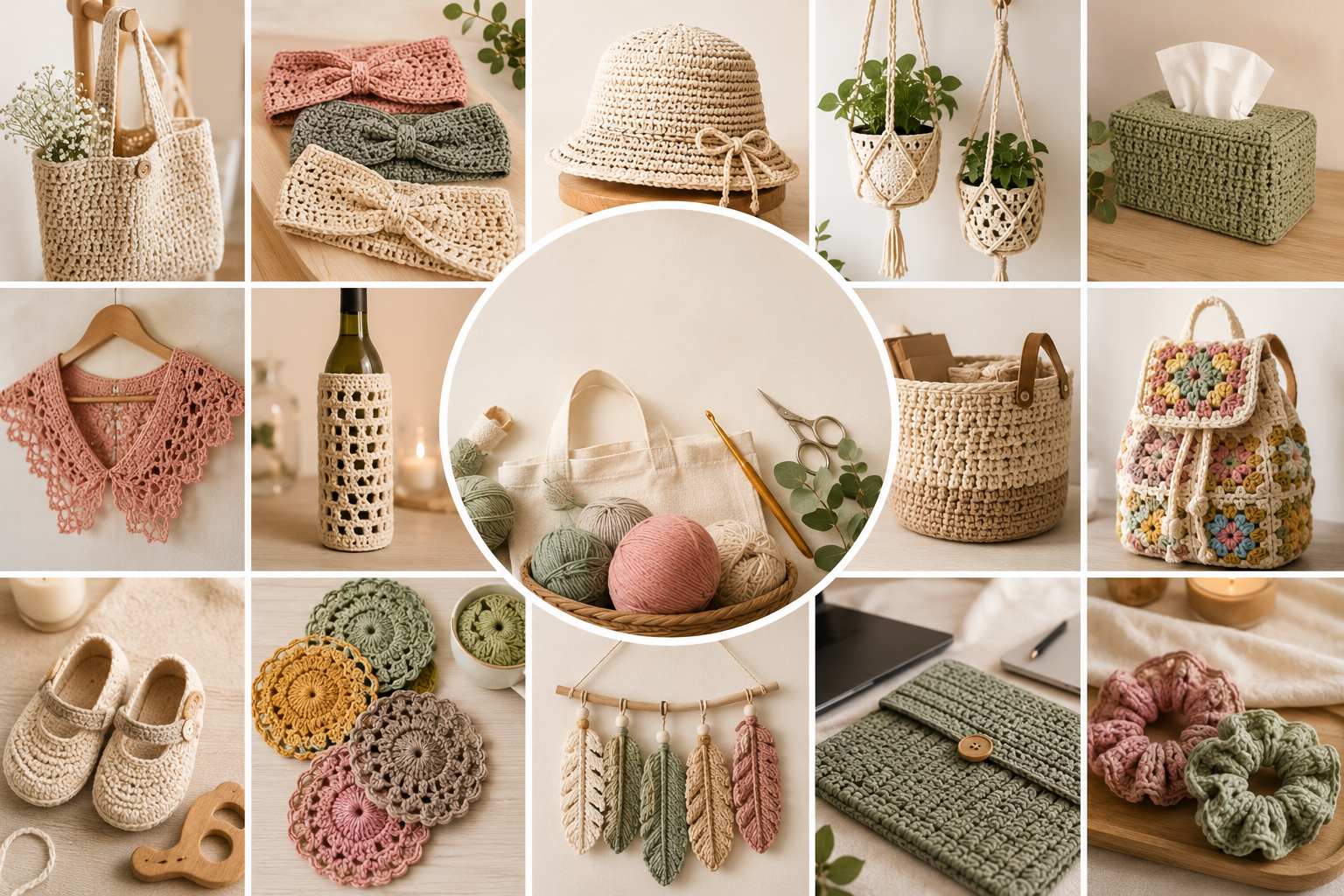
This guide helps you build a clear representation ideal customer for your handmade products. CMO Melissa has 15 years of experience and leads strategy at a company of more than 100 people. Her approach shows how a solid buyer persona makes marketing and sales efforts more focused.
Using research and data, you can map goals, pain points, and buying habits for each persona. That insight lets you shape product design, content, and offers to meet real needs.
A well-defined persona saves time and boosts conversion by steering your team toward the right audience. Whether you target gift buyers or new moms, this guide shows the process and strategy to grow your business.
Understanding the Value of Buyer Personas
Data-backed profiles transform vague assumptions into actionable insights for targeting and messaging.
A clear buyer persona gives teams focused information about who to reach and what they need. Sales teams use that insight to make pitches more relevant and build stronger relationships.
Marketing, product development, and customer service all benefit from shared profiles. When everyone uses the same data, content, product features, and service match real customer goals.
- Faster decision-making and less time chasing poor fits.
- Measurable outcomes visible in CRM dashboards and reports.
- Updated profiles keep your company aligned with market shifts.
| Team | Primary Benefit | How to Measure |
|---|---|---|
| Sales | More relevant conversations | Close rate, deal velocity |
| Marketing | Targeted campaigns | Engagement, conversion rate |
| Product | Better feature fit | Adoption, feedback scores |
“86% of business buyers are more likely to buy when their goals are understood.”
Essential Components of Crochet Buyer Persona Examples
Build each profile so it answers who the customer is and why they buy. Start with clear fields that teams can use every day. Combine facts and motives to make the profile actionable.
Demographic Traits
Record age, gender, education, and job title to frame your target segment. Use CRM software and past sales data to fill these fields.
Include household details like marital status, community groups, and income band. These touchpoints help sales and marketing tailor offers.
Psychographic Motivations
Capture values, hobbies, pain points, and purchasing triggers. This layer explains why a customer chooses one product over another.
- Combine demographics with behavior to see real needs and goals.
- Use professional info—like CMO Melissa’s job and industry—as a realistic anchor for research.
- Keep profiles simple so teams can quickly target content, product, and service decisions.
When you create buyer persona profiles, you build a representation ideal customer that guides product design and marketing strategy.
Researching Your Ideal Crochet Customer
Plan practical interviews and data collection to build useful buyer persona profiles.
Start by using CRM software to identify customers and prospects who will talk. Schedule short conversations and ask them to list their top two job responsibilities. This simple step reveals daily pressures that affect buying choices.
Draft questions that probe learning methods, professional challenges, and how they evaluate products and service. Include quick polls during interviews so answers can be grouped into clear data points.
Talk with subject matter experts and review company presentations and customer stories to add context. CMO Melissa’s experience shows that knowing a customer’s job makes it easier to speak to their goals.
- Use research and data to create buyer persona profiles from resume-like traits.
- Expand outreach to prospects when current customers are scarce.
- Refine the persona after enough interviews so sales and marketing can act on the insights.
Segmenting Your Audience for Better Sales
Breaking customers into clear groups helps teams focus time and resources where they matter most.
Segment by needs, behavior, psychographics, and demographics. Each lens reveals unique customer segments that influence product fit and messaging.
Use analytics and CRM software to observe how customers interact with your product. That data gives real-world information on actions, preferences, and churn risks.
- Effective segmentation isolates the buyer persona types your business must develop.
- Group customers by industry, geography, and seniority to find useful patterns for sales and marketing.
- Track engagement trends with CRM to spot emerging customer segments and refine your process.
- Segmenting enables personalized customer service that solves real pain points for each group.
- Cross-team collaboration shares insights so personas stay accurate and aligned with market needs.
Regular updates to segments keep your company in step with changing market goals. That way, teams can prioritize leads and create content that resonates with the ideal customer.
Targeting the Gift Buyer Persona
Timing and emotional cues guide how you position products for shoppers hunting meaningful gifts. Start by mapping key occasions—birthdays, holidays, weddings, and baby showers—so your marketing hits when search intent is highest.
Identifying Gift-Giving Occasions
Use CRM software to track seasonal sales and see which products spike during specific events. That data helps your team time promotions and curate bundles that match each moment.
Monitor reviews and social chatter to learn what customers value in a present—quality, speed, or uniqueness. Those insights shape product pages and ad creatives.
Addressing Price Sensitivity
Gift shoppers often seek value. Emphasize quality and the personal touch that sets handmade items apart from mass-produced goods.
- Highlight customization options so shoppers see added meaning.
- Offer tiered bundles and clear price comparisons to reduce friction.
- Prepare sales and service teams to answer quick questions about delivery and personalization.
Short, emotional content that shows real use cases will convert better. Use social listening and CRM signals to iterate on messaging and make your targeting more effective.
Connecting with New Moms Through Crochet
Design a profile that highlights safety, ease, and trust to reach new mothers where they make buying choices.
New moms prioritize convenience, quality, and products that match their values. Use research and CRM data to capture these needs and to update the profile as children grow.
Focus marketing on where parents spend time—social media groups and parenting blogs. Create content that answers common concerns like materials, washability, and non-toxic finishes.
- Emphasize safety, comfort, and durability in product descriptions.
- Show clear benefits: machine washable, hypoallergenic, and easy returns.
- Use email and CRM software for personalized offers and time-saving checkout flows.
- Leverage recommendations from mom groups to build trust and social proof.
Train sales and service teams to highlight convenience. Quick answers on shipping and personalization reduce friction for busy customers.
Keep persona data current. Updated insights help your marketing and sales teams target content and product updates that meet real needs.
Engaging Brides Seeking Handmade Keepsakes
Brides look for keepsakes that reflect their wedding story and feel truly one-of-a-kind.
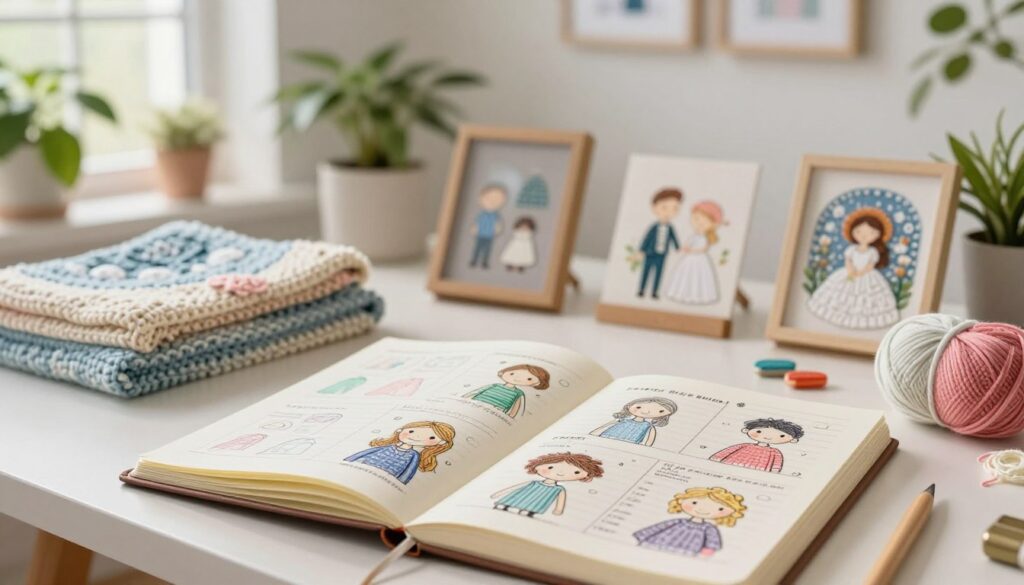
To reach this segment, build a clear buyer persona that highlights elegance, sentimental value, and customization. Focus on visuals and storytelling to show how each product becomes a lasting memory.
Highlighting Customization Options
Offer customization choices that match wedding colors, motifs, and personal details. Short consultations help your sales team capture exact requests and reduce revisions.
Use CRM software to track client timelines so every custom order ships well before the wedding date. This reduces stress and builds trust with customers.
- Showcase high-quality photos and mood boards on Pinterest and wedding blogs to attract the audience.
- Emphasize the time and care behind each product to justify premium pricing.
- Collect peer reviews and referrals; brides rely on recommendations during planning.
Regularly update your persona data with trend research so your marketing stays relevant and your offerings match evolving wedding styles.
Appealing to Home Decor Enthusiasts
Design-conscious customers look for items that blend beauty with daily use.
Build a buyer persona that highlights aesthetic taste and practical value. Focus on how a product changes a room and adds personality.
Show styled shots for living rooms, bedrooms, and reading nooks. Use Instagram and Pinterest imagery to reach the audience where they consume trends.
Emphasize craftsmanship and durable materials to appeal to customers who want long-lasting pieces. Train your sales team to explain versatility—how a throw or accent works in multiple settings.
- Use CRM software to track trending styles and inform product development.
- Create content that demonstrates room transformation and styling tips.
- Update the persona regularly so your product line stays aligned with market needs.
“Small, well-made pieces can change how a space feels and how people live in it.”
Avoiding Common Pitfalls in Persona Development
Teams lose momentum when profiles are vague or based on assumptions rather than facts.
Overly Broad Definitions
When a profile is too general it gives little direction to sales and marketing. Make each profile specific enough to act on.
Use real customer segments and examples like HR Harry, Accounting Alice, and Retailer Ron to anchor demographic and lifestyle details.
Relying on Stereotypes
Avoid assumptions that simplify people into clichés. Stereotypes lead to poor messaging and wasted ad spend.
- Validate traits with interviews and surveys.
- Balance practical details with motivations so the audience feels understood.
Failing to Update Data
Static profiles get out of date quickly. Set quarterly CRM reminders to review and refresh data.
Keep customer service and product teams aligned so profiles reflect real-world behavior and evolving needs.
“Validate profiles with research — then iterate regularly.”
Integrating Personas into Your Marketing Strategy
Turn persona research into tangible assets that marketers and sellers can use daily.
Start by embedding profiles into content planning. Use your CRM to build a living content library with scripts, case studies, and email templates that match each profile’s needs.
Train sales teams to pull the right asset before every outreach. This ensures conversations stay focused on the customer’s goals and speeds up decision-making.
Make measurement routine. Track content usage, conversion lifts, and which messages shorten deal cycles. Use that data to refine what works.
| Action | Owner | Frequency | Benefit |
|---|---|---|---|
| Content library updates | Marketing | Monthly | Consistent messaging |
| Sales playbook alignment | Sales enablement | Quarterly | Higher close rates |
| CRM tagging & analytics | Operations | Weekly | Faster insights |
| Cross-team review | Leadership | Bi-monthly | Shared goals |
“86% of business buyers are more likely to buy when their goals are understood.”
Remember that personas help teams deliver personalized, relevant interactions that build trust over time. Regularly revisit profiles and use predictive analytics to spot new segments. When you align strategy, content, and sales, you create stronger relationships and steady growth.
Conclusion
Actionable audience profiles let marketing and sales deliver timely, useful messages.
Developing accurate personas is essential to understand the unique needs and motivations of your crochet customers. Use real data to build profiles that guide product design, content, and outreach.
Focus on clear segments—gift shoppers, new moms, brides, and home decor lovers—to make campaigns more relevant and measurable. Update these profiles regularly so they match changing trends and purchase behavior.
Integrate profiles into sales playbooks and content planning so teams can personalize outreach. Start with a few core personas and expand as your insights grow.
With a data-driven approach, you’ll strengthen relationships, improve conversion, and drive steady growth for your small business.