Sharing a clear, honest narrative helps makers connect with customers fast. I began after a simple nudge: on Dec. 7, 2016, a friend named Christy tagged me in a Facebook post that launched the messy bun hat into the world. That moment shows how small actions shape creative paths and the wider business the creator builds.
Good introductions explain why you spent years learning a craft and why this was the right time to share. Place details about process and pattern choices where readers expect them. Let each sentence reveal the way you work, step by step.
People buy meaning as much as product. When you name the things that matter, you invite trust and make listings feel personal. A short, honest page can turn casual visits into repeat customers.
For any modern crochet business owner, documenting the daily path into the light of public view builds credibility. Use this as a practical roadmap to shape your own business narrative and earn steady trust year after year.
Why Your Crochet Brand Story Matters for Building Trust
A clear narrative makes it easy for buyers to see why your work matters. It shows the values behind each item and helps shoppers choose a maker over mass-produced options.

Establishing a strong crochet business identity needs more than skill. It needs a message that connects with your ideal customer. Transparency about materials, pricing, and process builds credibility fast.
Sharing behind-the-scenes moments can shape perception. The author learned this firsthand when a viral video of a design drove well over $100,000 in revenue in a single week. That surge came because buyers felt included in the maker’s process.
Take the time to articulate values and practical choices. A cohesive narrative ties every touchpoint together—from listings to customer service—so each sale reinforces your professional reputation and long-term business goals.
Analyzing Successful Crochet Brand Story Examples
Strong maker narratives reveal the hands and small moments behind every popular design. This section looks at why that matters and how real results followed a simple idea.
The Power of Personal Connection
People connect when they see hands at work. Showing the process, the yarn choices, and the day-to-day life around production builds trust.
Share the friends and students who helped refine a pattern. Those details create a welcoming place where people return.

Lessons from Viral Success
A short 15-second video reached over 100 million viewers and changed the business overnight. That moment was not luck.
It was the right idea at the right time, executed with a clear process and honest presentation. Top creators who share their style and process on YouTube teach useful lessons.
- Show your hands and the steps you follow.
- Highlight the patterns that matter to customers.
- Keep sharing small ideas and let the light of your craft show through.
Practical Strategies for Crafting Your Unique Business Narrative
A focused plan turns scattered efforts into a clear message that draws the right buyers. Use simple tools to name who you serve, how you work, and what makes your designs different.
Identifying Your Target Audience
Start small. List the people who love your style and note where they shop and what problems they solve with your work.
Taylor Bento found this step crucial in year one. She refined her approach by studying top successes and failures.
Finding Your Authentic Voice
Let your voice match your real process. Say whether you focus on complex patterns or simple yarn accessories.
Write short bios and product blurbs that sound like you. That clarity helps customers choose your place in the market.
Balancing Time and Productivity
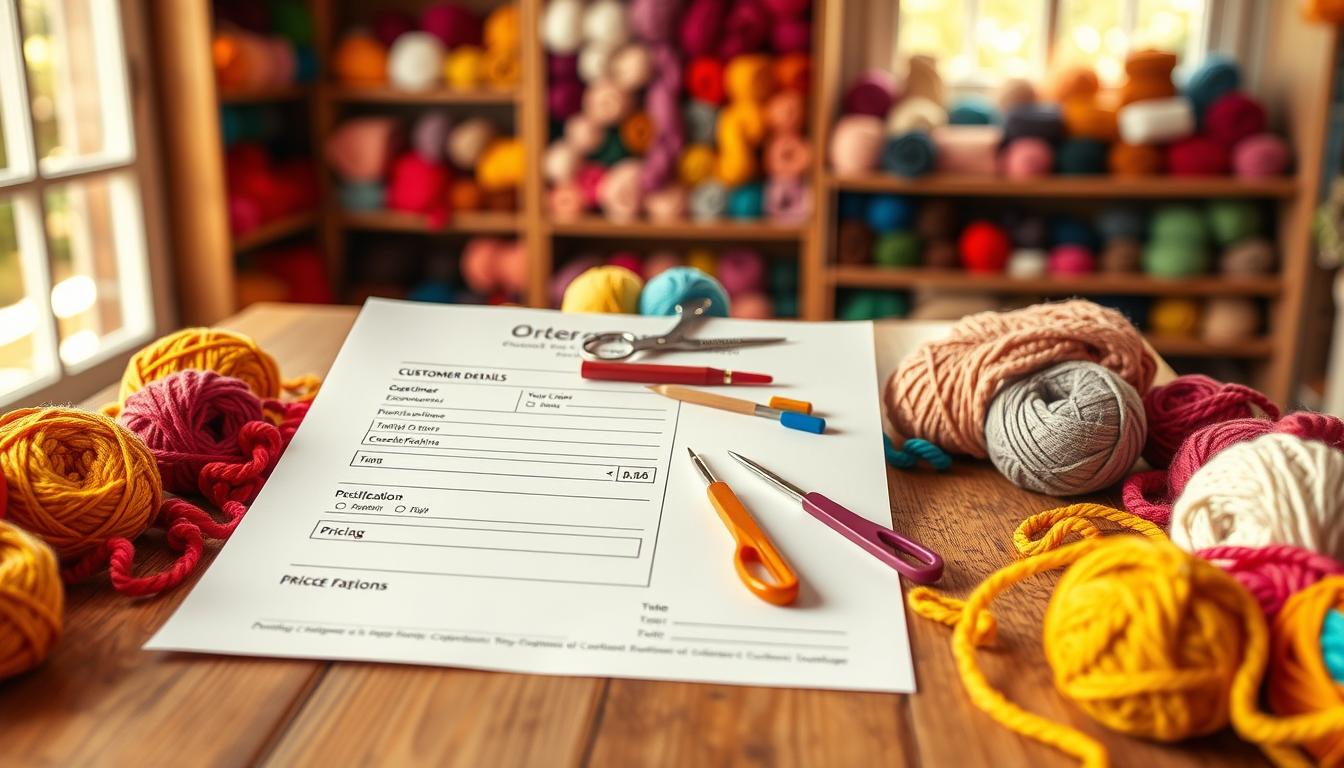
Set firm limits. Don’t spend more than 30 minutes on a single social reel and use a pricing worksheet to value your time.
Protect your hands and schedule to avoid burnout. Focus on top priorities so you can scale with confidence.
| Focus | Action | Result |
|---|---|---|
| Audience | Define top 3 customer types | Clear marketing and listings |
| Voice | Write samples in 1st person | Authentic product pages |
| Productivity | Limit social tasks to 30 min | More time for design and rest |
Conclusion: Sustaining Your Crochet Business Journey
Sustaining a creative business hinges on routine, learning, and sharing what you know.
Commit to the personal arc that shapes your work and be willing to adapt as people and markets change. Earn credentials, such as an instructor certificate from the Craft Yarn Council, to extend your reach to friends and local students.
Balance matters. Protect your time and your hands so your life and business thrive for years. Whether you teach a class or write new patterns, your voice and style keep people coming back.
Keep sharing ideas, protect your health, and let the light of your craft guide the next day of your journey.