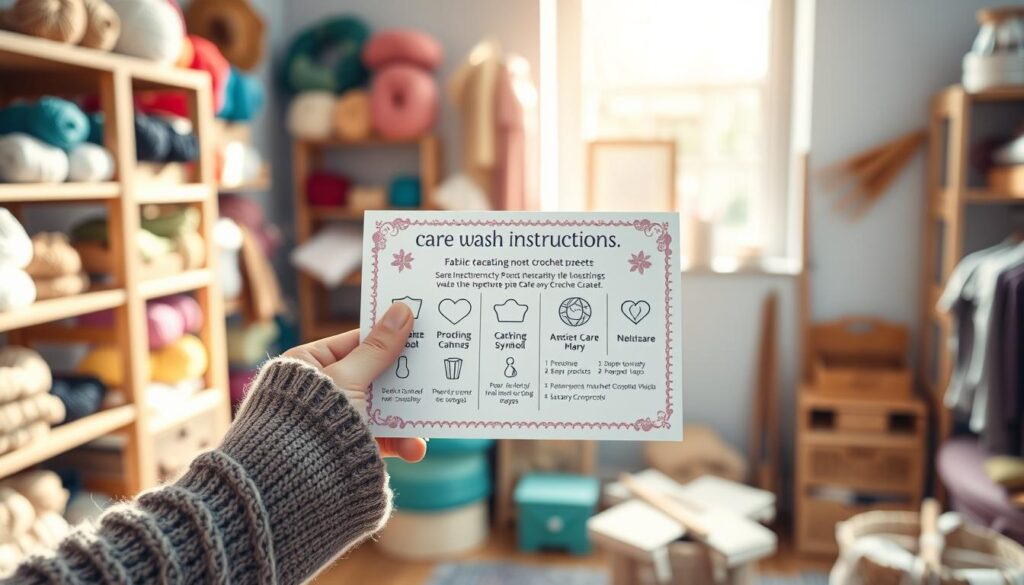
Handmade pieces deserve a clear, friendly note that helps buyers care for them well. A short, professional care slip can lower returns and protect your reputation. It sets simple expectations and shows you value the time you spent crafting each piece.
Include brief steps that match the fiber and construction of each item. State washing method, drying tips, and any gentle handling notes. These quick directions help keep items looking their best.
Adding a personal touch builds trust. Mention your shop name and how long the item may last with proper handling. Point buyers to your social hub, like Sweet Potato 3 on Facebook and Instagram @SweetPotato3Patterns, so they can ask questions and join your community.
A tidy, clear card is a final flourish that protects your work and invites repeat orders. It turns a sale into a lasting connection.
Why Every Crochet Business Needs an Aftercare Card
A short instruction slip tells recipients how to treat delicate fibers and avoid damage.
Hand washing protects stitch structure. Even gentle machine cycles can stretch or rub fibers and harm a crochet piece.
Alpaca will stretch when wet. Wool can felt if agitated in warm water. Clear washing instructions prevent these risks and extend the life of your pieces.
| Fiber | Risk When Wet | Best Practice |
|---|---|---|
| Alpaca | Stretches under weight | Soak gently, reshape flat |
| Wool | Felting if agitated | Cool water, no scrub |
| Blends | Varied reactions | Follow yarn label, prefer hand wash |
- Include a short, professional instruction to protect your time and yarn.
- Tell the recipient never to wring or twist the piece; drying flat preserves shape.
Essential Information to Include on Your Crochet Aftercare Card for Customers
Keep your care note short and specific so owners can protect each handmade piece.
Fiber Content and Sizing
Always list fiber content. Knowing the fiber content helps the owner choose the right washing method and storage.
Include size details for garments such as sweaters and hats so the recipient can make sure the item fits as intended. Use labels that match the project size: larger labels (3″x3″) print six per sheet; smaller labels (2″x2″) print twelve per sheet. This keeps the information legible without overpowering the presentation.
Washing and Drying Instructions
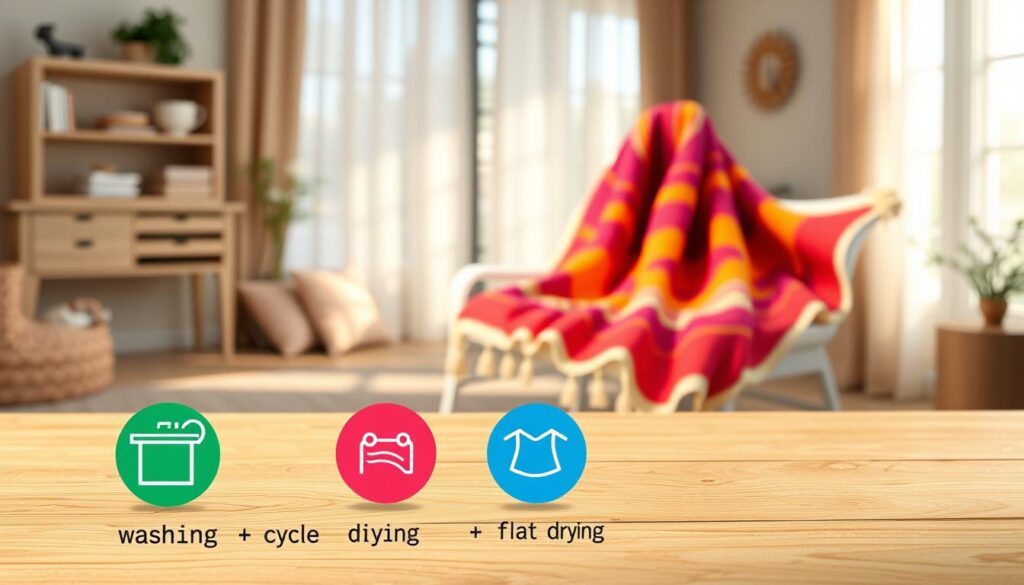
State simple washing steps and highlight that the item must be laid flat to dry. This prevents stretching and shape loss.
Note temperature suggestions, gentle detergents, and whether spot cleaning is preferred. Clear instructions reduce returns and save you time.
Personalizing Your Message
Thank buyers and add a brief note about care expectations. A short personal line builds trust and invites questions.
Keep content brief, include yarn and fiber content where relevant, and finish with a single instruction that encourages proper handling of the piece.
Designing and Printing Your Custom Care Tags
Designing clear, brand-aligned tags helps buyers follow care steps at a glance. A short intro sets the tone and keeps the layout tidy before you add details.
Using Digital Design Tools for Professional Results
Canva is a free online design tool that makes it simple to create polished tags without complex software. You can pick a template, swap fonts, and add your logo in minutes.
Many makers choose to download free templates and edit each page to reflect the specific care tags they need. Save the final layout as a PDF so spacing and fonts stay consistent when you print.
- Download ready-made templates to speed up design and keep a boutique look.
- Print on 110lb cardstock rather than regular paper for durability and a premium feel.
- Local print shops like Office Depot can produce durable pages cheaply—often around $1.11 per sheet.
With simple tools and a reliable print file, your care tags will match your shop aesthetic and protect each handmade project.
Professional Methods for Attaching Tags to Your Crochet Pieces
A neat attachment method keeps care notes readable and preserves the piece’s look.
Choosing the Right Paper and Cardstock
Pick paper sturdy enough to survive handling and shipping. Heavy cardstock (100–110 lb) resists bending and tearing.
Center the hole punch at the top so the tag hangs evenly and looks professional.
Attaching Tags with Twine and Pins
Use baker’s twine or thin jute to add a simple, elegant finish that does not distract from the work. Thread the twine through the centered hole and tie a small knot.
Hide that knot inside the fabric with a small safety pin. This keeps the tag secure and out of sight for the recipient without damaging yarn.
| Material | Durability | Attachment |
|---|---|---|
| 110 lb cardstock | High | Twine + hidden safety pin |
| Heavy matte paper | Medium | Twine looped, reinforced hole |
| Recycled kraft | Medium | Jute with knot tucked under stitch |
Include one clear washing instruction: fill a sink with cool water, add detergent, soak ten minutes, then lay flat on a towel to dry. These care tags help the owner keep the piece in top shape and reduce questions about safety and handling.
Conclusion
Simple, well-designed tags protect your work and make proper care easy.
Providing short instructions on each tag gives owners confidence to wash and store a piece correctly. Clear care tags reduce confusion and cut returns while highlighting your attention to quality.
Spending a little time to design labels and attach a neat tag shows professionalism. These small details set your crochet items apart from mass-made goods and help build lasting trust.
When buyers understand care steps, they keep items longer and return to your shop. A thoughtful care tag makes that outcome more likely.