Clear, timely updates keep buyers calm when a handmade piece takes longer than planned. This introduction explains why proactive communication matters and how a short email can protect your brand and revenue.
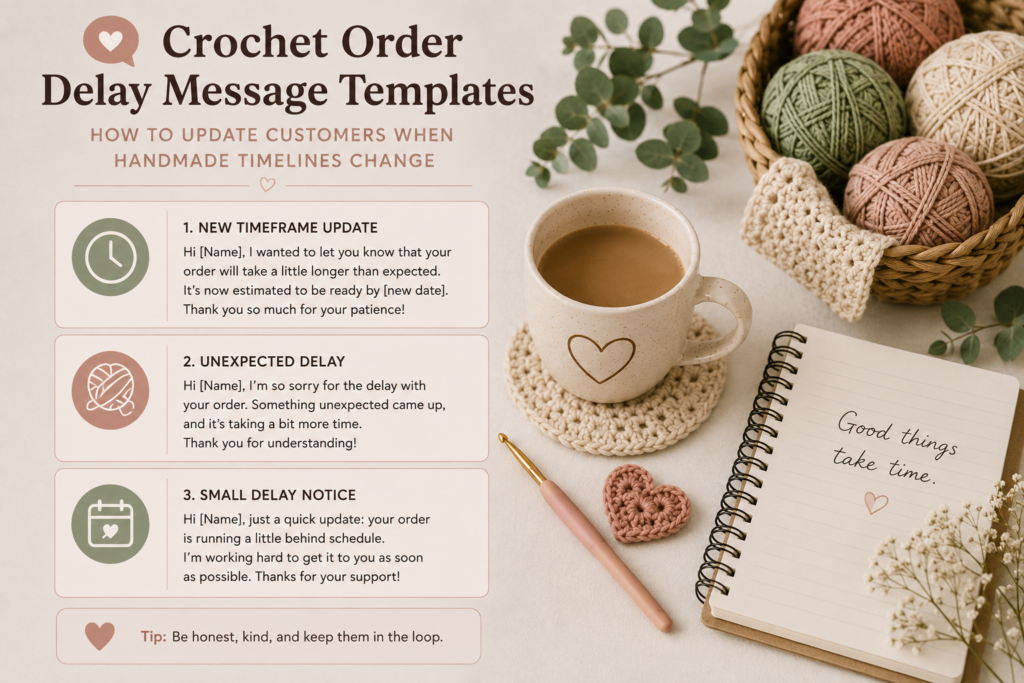
We will show simple, professional templates that apologize, state the new delivery date, and offer support options. Brands like Greetabl recommend reaching out early to prevent disappointment and reduce follow-ups.
Expect tips for holiday season workloads, handling shipping setbacks, and writing polite lines that express thanks for customer patience. You’ll also see examples of concise updates that keep customers informed without extra work.
By the end, you’ll have a ready-to-send email template and clear steps to keep trust high when shipment timing changes. This approach helps your team manage questions and keeps the shopping experience positive.
The Importance of Proactive Communication
Telling customers early about a shipping issue protects revenue and preserves trust. A quick, clear update prevents confusion and lowers the chance of negative reviews.
Be transparent about the new delivery date and provide status information. Yaw Aning of Malomo notes that brands who own up to a shipping delay see fewer complaints shared publicly.
Send timely notifications by email and your support channels so customers know what to expect. This helps manage patience, especially during the holiday season when shipping delays are common.
Keep your brand voice steady and offer concrete options: a tracking link, a new delivery date, or support contact details. Small gestures turn a poor experience into a positive one.
| Notification Timing | Customer Impact | Recommended Action |
|---|---|---|
| Immediate (same day) | High trust retention | Send email + tracking update |
| Within 48 hours | Reduced complaints | Provide new delivery date |
| After 72 hours | Higher support volume | Offer direct support contact |
“Transparency helps prevent customers from getting upset when carriers make mistakes.”
Crafting Your Crochet Order Delay Message
A prompt, honest update helps customers adjust expectations without frustration. Start with a short intro that names the issue and gives the new delivery date.

Tone and Transparency
Keep tone sincere and direct. Apologize, explain the reason for the shipping delay in one sentence, then state the new date.
Give clear information about tracking, package status, or any next steps. This level of transparency reduces support volume and preserves trust during the holiday season.
Personalizing Your Brand Voice
Use a friendly, consistent voice that matches your brand. Small touches matter: the reMarkable 2 team adds a handwritten signature to make the customer feel valued.
Include an easy way for customers to contact support with questions. Offer the email template or support link and invite replies from your team to keep communication open.
- Be brief—one apology, one cause, one new delivery date.
- Add a human sign-off to improve the experience.
- Always list how customers can reach support if they need help.
Essential Elements of a Professional Delay Notice
Include clear tracking links and delivery estimates so customers can follow their shipment in real time. This basic step reduces confusion and lowers support requests.
Including Tracking and Delivery Estimates
Start with a concise subject line and a direct tracking link, like Thread uses, so buyers can check order status instantly. A live link gives transparency and eases anxiety.
Always state the expected delivery date. A firm delivery date sets expectations and limits follow-up questions.
Briefly explain the cause of the delay in one sentence. This level of information builds trust and improves the customer experience.
- Provide customer support contact details for quick questions.
- Include an email template or quick reply option to streamline responses.
- Offer tracking + status updates so customers stay informed while waiting.
Transparency, clear links, and a delivery date are the best ways to keep customers patient during shipping delays.
Strategic Timing for Sending Order Updates
Send updates at strategic moments to prevent confusion and lower inbound support questions. The best practice is two emails: one to notify customers about a shipping problem and one when the package is back on the move.
During the holiday season, make sure your automated notifications handle spikes in volume. Set templates that include a clear delivery date and concise tracking info so a customer can check status without contacting support.
- Initial email: explain the cause in one sentence and give a new delivery date.
- Follow-up email: confirm movement and provide a tracking link or final delivery date.
- Pre-purchase notice: warn buyers about possible shipping delays when you expect high orders.
Timing updates this way reduces repeated questions and preserves your brand experience. Train your team to use these templates and schedule notifications so customers feel informed and valued.
Real World Examples of Effective Delay Notifications
Effective templates balance brevity with the key facts customers need to stay informed. Below are three real approaches brands use to handle a shipping delay while protecting trust and reducing support volume.
Minimalist Update Templates
Apple’s minimalist style sends a short email that states the new delivery date and adds an FAQ section. This answers common questions and cuts back on follow-up requests.
The Personal Touch Approach
Thread and similar brands add a brief, human note and a clear path to check order status. A friendly sign-off and a contact line let customers feel seen while they wait.
Offering Discounts as Apologies
Stripo provides a template that includes a partial discount to apologize for a slip in shipping. Offering a small saving rewards patience and encourages future purchases.
- Always include the updated delivery date and a tracking or status link.
- Keep the email concise: one apology, one cause, one new date.
- Consider a goodwill gesture when shipping delays impact timelines significantly.
Managing Handmade Timelines During the Holiday Season
The holiday rush makes timelines harder to keep, so show customers a clear holiday shipping calendar on your site.
Bess Welch of Southern Tide recommends padding extra time for shipping. That helps gifts arrive before the holiday and reduces stress for both your team and buyers.
Communicate with your team early. Share expected volume, packing capacity, and any shipping limits so everyone knows how to handle spikes in orders.
When shipping delays happen, consider extending your return window. A longer return policy improves the overall brand experience and gives customers more confidence to buy.
Over-communicate at every touchpoint: website banners, product pages, and email updates. Short, frequent notes keep patience high and questions low.
- Post a visible calendar that shows cutoff dates and estimated delivery windows.
- Build padding into production and shipping time to avoid last-minute problems.
- Use concise email templates to confirm new delivery timelines and next steps.
“Plan your calendar early and err on the side of extra time to keep customers calm during the season.”
Best Practices for Maintaining Customer Trust
Maintain trust by equipping your front-line staff with clear facts and fast solutions. A brief introduction helps readers see why the team matters for keeping buyers calm during the holiday season.
Empowering Your Customer Support Team
Make sure your support staff has a single source of truth. Use FAQ sheets, tracking tools, and a shared knowledge base so answers stay consistent across your brand.
Train the team to handle questions about order status. Permit reps to offer simple remedies, like expedited shipping or a courtesy credit, where policy allows.
- Use an email template for quick replies during the busy holiday period.
- Share website banners (like Clif Bar’s example) to set expectations before purchase.
- Keep lines of communication open between operations and customer service so updates reach shoppers fast.
Great support turns a problem into loyalty. When your staff feels prepared, customers sense competence and stay with your business long after the season ends.
Conclusion
A short, final note that restates next steps reduces repeat questions and helps protect customer trust.
Be proactive: use simple templates that state the new delivery date, share tracking links, and offer one clear contact for follow-up. This keeps expectations aligned and cuts support volume.
Plan extra capacity for the holiday season and publish clear shipping timelines on your site. Doing so lowers confusion and improves the buying experience for every shopper.
Train your support team with concise scripts and a single source of truth. When staff have the right tools, they solve issues faster and keep your business growing.