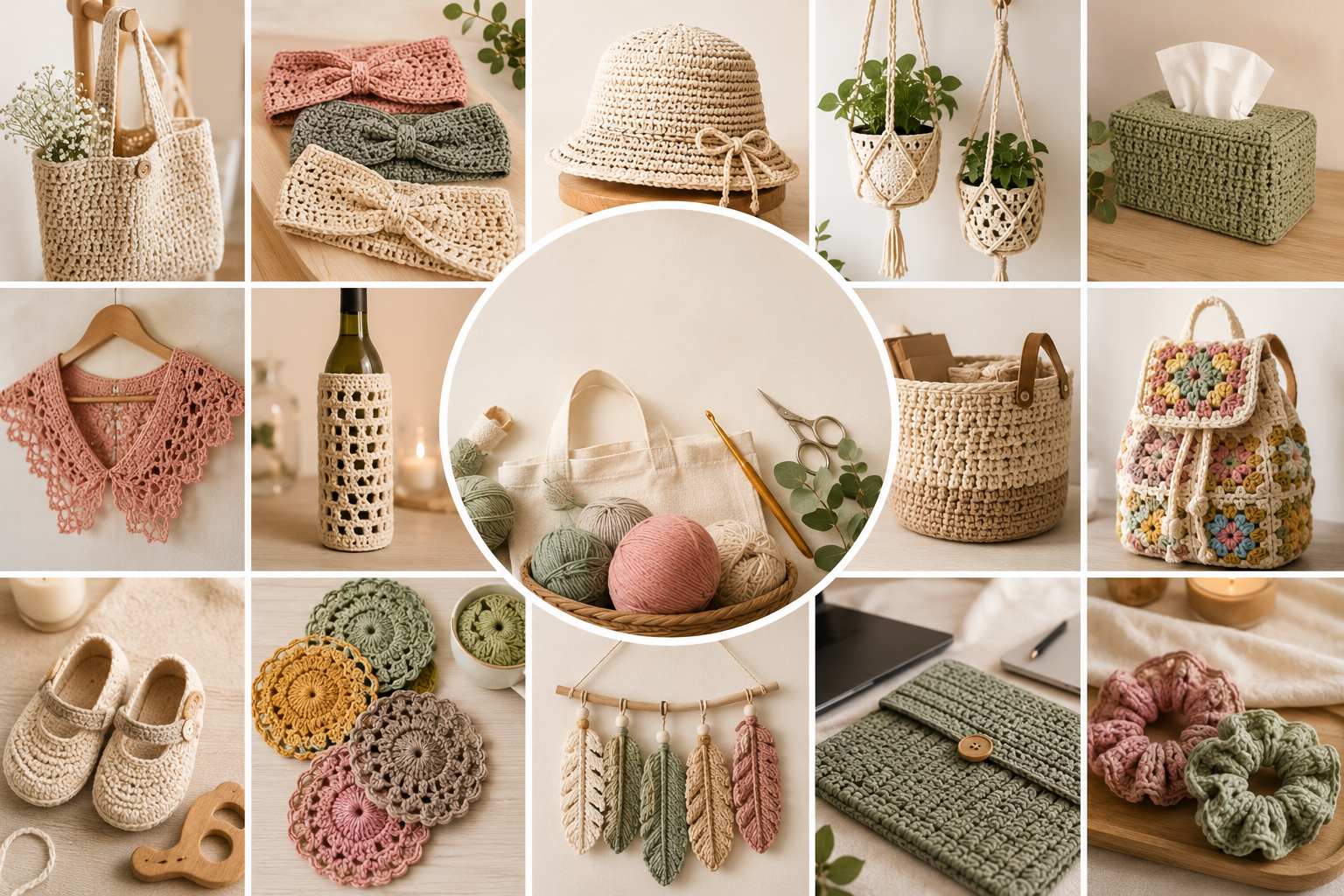
This short guide explains how to match listing titles, tags, and photos with what buyers search for. It walks shop owners through simple steps that help a product reach the right audience.
Modern search systems use AI to read buyer intent. That means clear titles and accurate tags matter more than ever. Free shipping also influences ranking and can sway customers at checkout.
We cover practical tips on crafting titles and descriptions that reflect real queries. You will learn how to pick keywords and categories that fit your items and reduce wasted time on guesswork.
The guide also shows how to analyze competition and use research to refine listings. Each step aims to boost results while keeping your creative voice intact.
Use these methods to increase visibility and attract loyal buyers without losing the look and feel of your brand.
Understanding Search Engine Optimization for Etsy
When search systems parse intent, your wording must reflect real customer language. This helps algorithms match listings to queries and boosts shop visibility.

Optimization means choosing the right words and applying simple actions so the platform understands your business and products. Use clear titles, accurate keywords, and honest descriptions.
- Think like a buyer: use phrases customers type in the search box.
- Match intent: align listings with what shoppers want to find.
- Track results: small tweaks can increase organic traffic to your page.
| Action | Why it matters | Expected result |
|---|---|---|
| Use buyer language | Makes intent clear to the algorithm | Higher placement in search results |
| Refine keywords | Targets relevant customer queries | More qualified traffic |
| Keep listings updated | Signals active business to the system | Better chance to appear on first page |
Mastering these basics puts your shop in front of the right shoppers.
Core Ranking Factors for Your Crochet Shop
Ranking depends on how well your product words match real shopper searches. A clear focus on relevancy, conversion, and shop signals will help your listings appear to the right buyers.
Query Matching
Exact-match keywords in titles and tags improve query matching. Use words customers type so items reach their target market quickly.
A strong listing quality score follows sales and improves rank over time.
Shop Ranking
Your shop score is shaped by customer feedback, return policies, and a complete About page. Clear policies and helpful descriptions make the business more trustworthy.
A high conversion rate signals that a product is a quality result and directly boosts shop ranking.
| Factor | What to do | Impact |
|---|---|---|
| Query matching | Include exact keywords in title and tags | Better relevance in search results |
| Conversion & recency | Promote items and renew new listings | Temporary visibility boost and long-term rank gains |
| Shop signals | Collect feedback, publish policies, finish About page | Higher overall shop score |
| Shipping & legal | Offer free shipping and avoid IP issues | Preferred placement and safer account standing |
Focus on these core ranking factors to make your products and shop more discoverable. Small changes in keywords, photos, and policies can lead to better placement and happier customers.
Mastering Etsy SEO for Custom Crochet
High-quality photos and precise wording together decide whether shoppers stop at your listing.
Make images that show scale, texture, and use. Good photos attract clicks and raise organic traffic to your shop.
Pair those images with focused keywords that match what buyers type. Use long-tail phrases to reach a niche target and beat heavy competition.
Write descriptions that speak to customers and machines. Start with the main product benefit, add pattern details, and include shipping or sizing info.
- Study top sellers to learn title and tag structure.
- Renew and update listings over time to gain traffic boosts.
- Use buyer language; it improves match in a context-aware search.
| Focus | Action | Expected Result |
|---|---|---|
| Photography | Show details, use natural light | Higher click-through rate |
| Keywords | Apply long-tail and buyer phrases | More qualified visitors |
| Listing updates | Refresh photos and text regularly | Short-term traffic lift |
Consistent, small improvements across photos, copy, and tags will help you reach more buyers and grow your business.
The Power of Visuals in Your Listing
Strong visuals are the single biggest influence on whether a shopper clicks your listing.
Quality matters. Use a camera with at least 10 megapixels and enable macro or portrait mode to capture texture and stitch detail.
Quality Standards
High-resolution photos build trust and beat poor lighting or blur. Edit images to crop, balance color, and remove distractions using tools like Canva.
Multiple Angles
Fill all available photo slots to show scale, inside/outside views, and use. The first image should be your strongest shot—this appears in search results and drives clicks.
Backgrounds
Choose clean backgrounds so the product is the hero. Consistent settings across your shop create a unified brand look and make items easy to compare.
- Use natural light when possible.
- Show a human scale photo to help customers imagine use.
- Keep editing subtle and consistent.
| Focus | Action | Impact |
|---|---|---|
| Resolution | 10+ MP, macro mode | Clear texture, fewer returns |
| Angles | All photo spots, first image optimized | Higher click-through rate |
| Background | Neutral, consistent setting | Professional appearance, trust |
| Editing | Crop, color-correct, subtle retouch | Polished listing & better conversion |
Strategic Keyword Research for Crochet Patterns
Smart research finds the specific phrases shoppers use when hunting for a new pattern. Start with a core term and expand it into useful modifiers such as skill level, style, or intended use.
Long-tail keywords are usually two to five words and often convert better because they match exact buyer needs. Use tools like Alura or Mangools to check search volume and demand before you commit to a phrase.
Using Long-Tail Modifiers
Brainstorm by adding descriptors: color, size, occasion, or technique. Think about what a customer types when they know what they want.
- Turn “pattern” into “beginner friendly amigurumi dinosaur pattern” as an example.
- Mix category words and product attributes to create targeted phrases.
- Update listings over time based on new research and seasonal trends.
| Step | Action | Why it helps |
|---|---|---|
| Discover | Use tools to find volume & demand | Pick phrases shoppers actually search |
| Refine | Add modifiers (skill, style, use) | Higher conversion from intent match |
| Apply | Place keywords in titles, tags, description | Tells the platform what your product is |
Consistent, targeted research keeps your listings aligned with real customer queries and helps your business stay competitive over time.
Optimizing Titles and Tags for Maximum Reach
Short, focused titles and full tag sets help listings appear in more relevant searches.
Put your strongest keywords at the start of the title so the main offer is clear to both buyer and system. Use separators like commas or dashes to keep long-tail phrases readable.
Fill all 13 tag slots and keep each tag under 20 characters. Tags should describe materials, size, style, or intended use. Remember the platform knows stems, so avoid repeating plural forms.
Match the words in your title with tags and a concise description. Categories act like extra tags, so choose the most accurate category and section to broaden placement without diluting intent.
| Action | Why it helps | Practical tip |
|---|---|---|
| Lead with main phrase | Improves click relevance | Start title with buyer-focused words |
| Use all 13 tags | Provides breadth of match | Mix modifiers (color, size, use) |
| Align title & tags | Creates consistent signal | Repeat core keyword in both places |
Example: “Low Sew Crochet Cat Pattern, Cute Amigurumi Kitten PDF” is clearer than a vague title. That clarity helps your shop, increases customer clicks, and improves how your items appear in search results.
Leveraging Shop Sections and Policies
A well-organized storefront and transparent rules make shopping simple and trustworthy.
About Page Importance
Complete your About page with clear business history, process notes, and pictures. This builds trust with customers and gives the platform useful information about your shop’s purpose.
Explain who you are, what materials you use, and how you handle orders. A short, honest description helps a customer decide quickly.
Shop Sections
Use sections as mini landing pages. Title each section with targeted keywords that match how buyers search for items.
Organized sections make it easier for customers to browse product groups. They also create more places to surface relevant keywords.
“A clear shop layout and visible policies reduce questions and increase conversions.”
| Area | What to include | Benefit |
|---|---|---|
| About page | Origin story, process, photos | Trust & clarity for customers |
| Sections | Keyword-rich titles, grouped items | Better navigation and discovery |
| Policies | Shipping, returns, privacy details | Lower disputes and higher confidence |
Take time to fill every section and state clear shipping and return policies. A complete shop feels safer, ranks better, and keeps buyers coming back.
Analyzing Performance with Etsy Stats
Track performance data regularly to see which listings actually turn visitors into buyers.
Start with a 30-day window in your dashboard to get fresh insight. Then compare that to a longer period to spot trends. A typical e-commerce conversion rate ranges between 1–5%, so review conversions over time rather than one day.
Compare traffic labeled “By Etsy” versus “By You” to learn which marketing pushes work. Use those signals to update titles, tags, and description to better match buyer intent.
“Data-driven tweaks to keywords and photos are the quickest way to lift conversion and reach more customers.”
- Monitor conversion and traffic sources monthly.
- Refine keywords and media based on results.
- Test one change at a time and record the outcome.
| Metric | What to check | Action |
|---|---|---|
| Conversion rate | 1–5% benchmark | Test titles, photos, description |
| Traffic source | By platform vs. direct | Adjust marketing focus |
| Top listings | Items with best CTR | Replicate elements across shop |
| Search terms | Keywords driving clicks | Refine tags and section names |
Use stats as a guide; steady, small changes backed by data grow your shop and improve search visibility over time.
Spying on Competitor Strategies
Inspecting competitor pages lets you reverse-engineer the keywords and media that drive traffic. Use this as a research step to learn, not to copy.
Decoding Source Code
Open an incognito window and search your primary keyword to see neutral results a typical customer would get. This shows real listings and the sellers that rank well.
Right-click a top listing and choose “View Source.” Use Control+F (or Command+F) to find terms like tags, categories, and meta titles. That raw information reveals which keywords and categories appear in their page code.
- Note the structure of titles and how tags are grouped.
- Record categories and repeated keywords that might explain their results.
- Compare product photos and media placement to spot visual patterns.
“Analyze structure, borrow ideas, and craft your own titles and tags to match buyer intent—never copy another seller verbatim.”
Tip: Run this check regularly. Small, informed changes to your listing title, tags, and description will help your shop compete without losing its unique voice.
Conclusion
Think of optimization as ongoing care: small edits compound into real traffic and sales.
Use a steady routine of testing and updates to keep each listing page aligned with buyer intent. Focus on query matching, clear photos, and targeted keywords that speak to shoppers.
This guide gives the essential steps to tune titles, tags, and descriptions so items reach the right audience. Use analytics and competitor checks to guide decisions and measure results.
Keep learning, make one change at a time, and be patient—those small wins add up and will grow your business.