This short guide helps small makers plan sales around major dates. The 2026 list includes 38 global feasts to map content and promotions. Use it to set clear deadlines for production and listings.
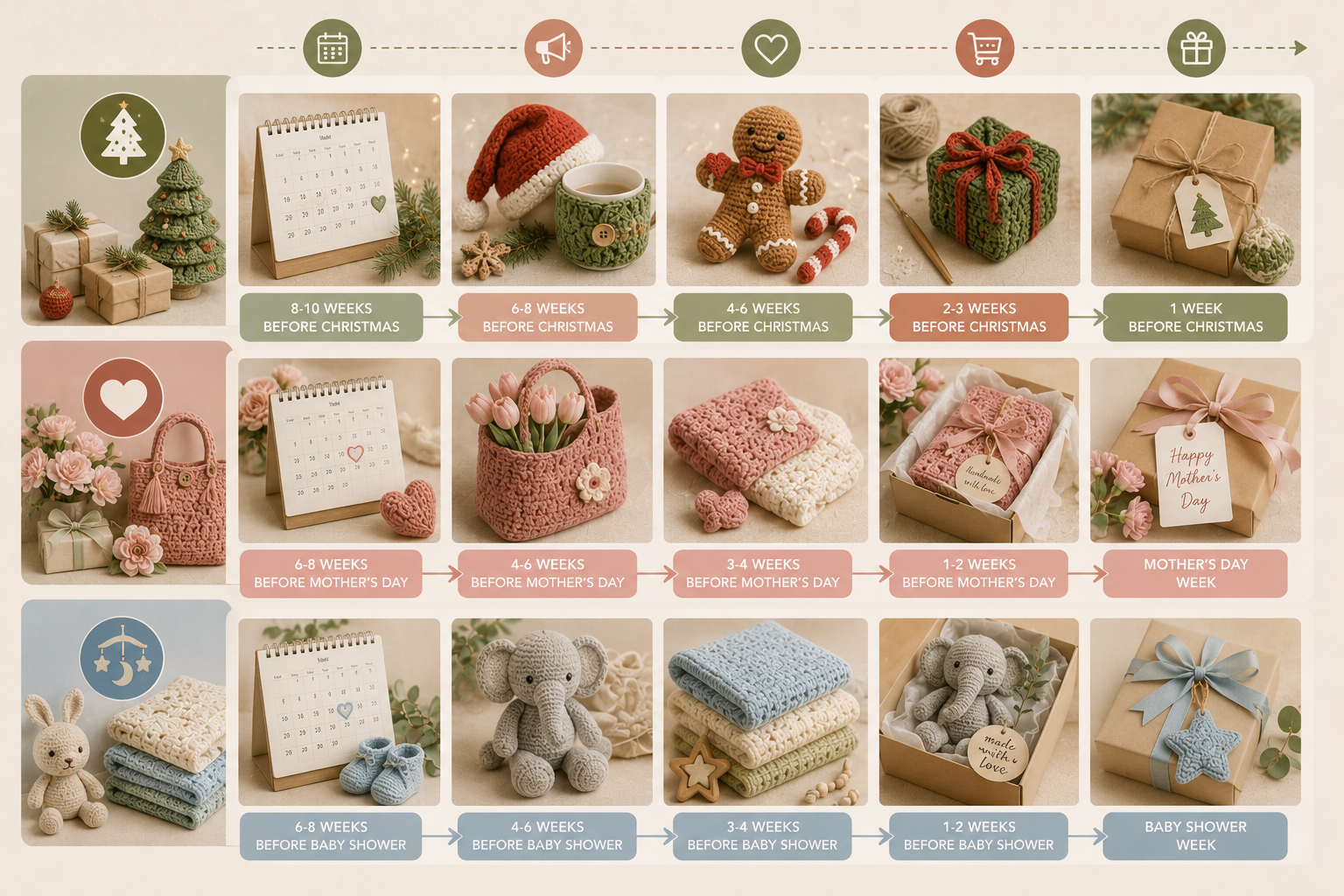
Plan early so custom gifts reach buyers before peak demand. Identify key events like Mother’s Day and Christmas and schedule product photos, listings, and ads well ahead of time.
A calm, organized approach reduces last-minute pressure. You’ll keep your shop visible and ready when shoppers look for presents. Aligning promotions with each event also tightens your brand message and boosts conversions.
Plan earlier, target key dates, keep production organized, and turn each major event into a sales chance.
Why You Need a Crochet Holiday Marketing Calendar
Mapping key dates in advance gives makers a clear path to reach shoppers when they are ready to buy.
Planning content strategies and ads ahead of time is the best way to boost sales and profit. A simple schedule keeps product launches, blog posts, and promotions on track.
Use a structured list of important dates so you can plan posts and offers that capture peak traffic. Each event is an opportunity to connect with customers and turn casual visitors into repeat buyers.
- Drive consistent traffic and improve conversion.
- Research event meanings to keep content on-brand.
- Allocate time for production and shipping before peaks.
| Phase | Task | Lead Time | Benefit |
|---|---|---|---|
| Plan | Create date list and content ideas | 3–6 months | Less stress, better reach |
| Create | Photo shoots and listings | 6–8 weeks | Higher-quality product pages |
| Promote | Ads and email campaigns | 2–4 weeks | Increased conversions |
Setting Up Your Annual Business Strategy
Build an annual strategy to ensure products, messaging, and resources line up with buyer needs.
Defining Your Target Audience
Start by naming the shoppers who buy your custom gifts. Note ages, interests, and when they shop during the year.
Use sales data, socials, and simple surveys to refine your target audience. This helps you write clearer content and plan offers around specific dates.
Aligning Brand Values
Decide what your brand stands for, then map those values to your messaging and product choices.
When values match how you promote, customers trust your business and return more often.
“Clear goals and honest messaging make annual planning feel doable and repeatable.”
- Use the marketing calendar to set yearly goals and reserve resources.
- Create a list of key events to shape your content and offers.
- Plan consistent activity across the year to build brand identity.
| Focus | Tool | Lead Time |
|---|---|---|
| Audience research | Surveys & analytics | Monthly |
| Content plan | Content list & briefs | Quarterly |
| Resource check | Inventory & staffing | 2–3 months |

Preparing Your Product Line for Seasonal Demand
Decide early which products will anchor your seasonal collections to avoid last-minute rushes.
Pick a small set of items that highlight your best design and are easy to scale. Use clear photos to show texture, size, and color. High-quality images help customers imagine the product and boost sales.
Launch a few new product ideas early in the year to test demand. Early launches give you time to adjust production and refine messaging. This approach keeps your business steady and lowers stress during busy months.
Plan inventory and promotional materials so you can meet peak demand without overspending. Think in weeks: photos, listings, and packaging ready well before the holiday season. That way, shoppers find what they need and you ship on time.
| Focus | Action | Lead Time |
|---|---|---|
| Featured products | Curate 6–12 items | 3–4 months |
| Visuals | Pro photos & lifestyle shots | 6–8 weeks |
| Inventory | Stock & promo ready | 4–6 weeks |
“Simple, well-photographed collections sell better than large, unfocused assortments.”
Optimizing Your Online Shop Listings
A well-optimized shop listing turns casual browsers into buyers during peak shopping times. Use clear titles, concise descriptions, and targeted tags to surface your best products in searches and curated gift lists.
Tagging and Titles
Choose relevant tags that shoppers use when hunting for gifts. Add specific terms like “gifts for her” and seasonal tags to help your products appear in gift guides and platform collections.
Descriptions, Keywords, and Media
Update titles and meta keywords so each product page answers a search query fast. Keep descriptions short, highlight size, care, and unique design features.
- Add high-quality videos to show texture and function. A short clip reduces returns and boosts trust.
- Organize shop links into clear collections so shoppers jump from one seasonal set to another without friction.
- Review listings monthly to refresh keywords and swap out inactive tags for new holiday trends.
Leveraging Valentine’s Day for Custom Crochet Sales
Valentine’s Day is a prime moment to turn early browsing into steady orders for your small shop.
Launch campaigns by mid-January to catch buyers who plan their gift purchases early. Tie promotions to nearby events like Super Bowl LX on February 8 to reach audiences who shop around that weekend.
Use social media to post charming content and targeted hashtags that drive traffic. Share short reels, product close-ups, and a blog post with fresh ideas for how to spend the day of love to boost engagement.
“Bundle deals and clear gift suggestions make it easy for customers to pick meaningful presents fast.”
Offer bundle offers to raise average order value and present thoughtful gift sets to your target audience. Keep your brand message consistent across all media so every post, email, and ad reinforces the same promise.
| Task | When | Why |
|---|---|---|
| Campaign launch | Mid-January | Capture early shoppers and allow time for shipping |
| Social posts | Late Jan–Feb 13 | Drive traffic and build urgency |
| Bundle offers | Feb 1–14 | Increase average order value |
Capitalizing on Spring Holidays and Mother’s Day
Mother’s Day 2026 falls on May 10 in the United States, Canada, and many European countries. This date is an annual opportunity to present sentimental, personalized items that resonate with your target audience.
Marketing for Mother’s Day
Start promotions early. Launch a Mother’s Day campaign in late March or early April to let shoppers discover curated bundles and ready-made gift options.
Focus messaging on feelings and usefulness. Offer bundles that pair best-selling products with easy add-ons to simplify the buying process.
Promoting Spring Collections
Refresh product photos and update listings to reflect warmer colors and lighter textures. New imagery helps shoppers transitioning into the season notice your items.
Use your blog to share gift ideas, short stories about customers, and practical posts that answer common buyer questions. Tie posts to event dates and a clear call to action.
“Curated bundles and sincere messaging build trust and lift sales during the spring season.”
| Task | When | Why |
|---|---|---|
| Spring launch | Late March–April | Capture early shoppers and refresh listings |
| Mother’s Day promos | April–May 10 | Drive gift purchases with curated options |
| Blog posts | March–May | Provide ideas and strengthen messaging |
Managing Summer Sales and Craft Fair Events
Warm-weather events give makers a chance to meet shoppers in person and turn browsers into buyers.
Plan inventory and promotional materials at least six weeks before peak summer days. Stock popular products and a few best-sellers that are easy to restock during busy weekends.
Make a simple list of key event dates, including the 2026 FIFA Club World Cup window (June 11–July 19), local fairs, and long weekends. Use that list to schedule posts and prep time for packaging and restock.
Use social media to share behind-the-scenes content and quick product spotlights. Short reels or a single post about your booth setup can boost foot traffic and online sales the same day.
Design outdoor-friendly items that appeal to vacation shoppers—lightweight, packable pieces that work for warm weather. Promote these items across all media so customers see them both online and at events.
- Reserve a prep day each month for restocking and labeling.
- Schedule posts around big event dates and weekend markets.
- Track sales by day to spot best-selling items for the season.
Planning for Back to School and Fall Trends
When leaves change, so do buyer priorities—focus on cozy items that work for school, work, and home.
Creating Cozy Fall Designs
Start with a small, sale-ready set of products. Pick a few durable items and refine sizing and care notes. Update photos to autumn tones so listings feel current for the season.
Use your blog to share simple ideas for scarves, warm home décor, and practical pieces for students and teachers. Short tutorials and styling tips help shoppers see value quickly.
- Promote practical items during the back-to-school month.
- Refresh product imagery with warm palettes.
- Plan production weeks ahead so stock is ready before the busy year-end period.
| Focus | Action | Lead Time |
|---|---|---|
| Back-to-school items | List practical pieces for students | 6–8 weeks |
| Autumn visuals | Photo refresh & color updates | 4–6 weeks |
| Seasonal blog posts | Publish ideas and care guides | Monthly |
“A tight plan for fall gives you time to build stock and stories before the busiest shopping day of the year.”
Mastering the Black Friday and Cyber Week Rush
A focused plan for Black Friday and Cyber Week keeps your offers clear and your team calm.
Black Friday 2026 lands on November 27, with Cyber Monday on November 30. These dates mark the busiest shopping days of the season and need weeks of prep.
Start by scheduling promotional offers and writing content ahead of time. Use social posts to tease deals and build anticipation so traffic arrives early, not all at once.
Offer limited-time bundles during Cyber Week to raise average order value and attract new customers to your brand. Make each offer simple to buy and easy to explain in product pages and posts.
Test your site performance and checkout flow before peak traffic hits. A smooth experience reduces cart abandonment and keeps customers returning.
“A clear strategy for Black Friday helps you manage the rush and maximize revenue during this critical sales period.”
- Plan offers and inventory several weeks in advance.
- Use scheduled social posts to drive early traffic.
- Create exclusive Cyber Week bundles to boost sales.
- Ensure your website can handle higher traffic for the event.
Strategies for Christmas and Winter Holiday Success
A clear seasonal strategy turns busy winter weeks into predictable sales for small businesses. Start planning early so your product line and messaging reach your target shoppers before the busiest shopping days arrive.
Launching Holiday Collections
Finalize a compact winter collection two to three months before peak season. Use fresh photos and concise product descriptions to show size, care, and design at a glance.
Promote the launch across social media and email so customers see new items as soon as they go live. The Holiday Prep Challenge starting August 5, 2024, is a free way to get a head start on planning and content ideas.
Creating Gift Bundles
Bundle complementary items to simplify gift shopping and increase average order value. Offer a few curated sets at tiered price points to appeal to different budgets.
Managing Custom Orders
Set a strict production schedule and clear cutoff dates for custom work. Share those deadlines in listings and posts so customers place orders with confidence.
Highlight the handmade nature of each gift in your messaging to add perceived value and reduce last-minute rushes.
“Good timing and clear production deadlines make the season manageable and profitable.”
Implementing Effective Shipping Deadlines
Communicating exact cutoff days builds buyer confidence and improves on-time delivery.
Put clear ship-by dates on each product page and in your shop banner so shoppers can plan. State final production windows and the last day for custom work to avoid confusion.
Offer small add-ons like free gift wrapping or a handwritten card to raise perceived value and justify shipping fees. These touches make a gift feel personal and increase repeat orders.
Keep a steady production rhythm: set weekly batch days for making and packing items. A predictable schedule helps you meet demand during peak shopping periods and reduces stress for your team.
Always send tracking information the same day an order ships. Tracking reassures the customer and cuts support messages.
“Clear deadlines and consistent updates turn uncertain shopping into a smooth experience.”
Prioritizing Self-Care During Busy Seasons
A sustainable business depends on systems that preserve your energy during peak season. Schedule short breaks and set firm work hours so tasks do not expand to fill every available minute.
Arrange for childcare or delegate household chores when possible. Freeing this time helps you focus on core strategies and keeps your attention on what moves the needle for sales.
Plan for both slow and busy periods. Block days for production and days for rest. This rhythm reduces stress and prevents burnout over long stretches of intense work.
Use outside resources and networks for support. Partner with a virtual assistant, swap shifts with a colleague, or lean on friends so you can meet deadlines without sacrificing health.
“Taking care of yourself is the best way to stay productive and creative through the entire holiday season.”
- Delegate small tasks to reclaim focused time.
- Set clear stop times for work each day.
- Use tools and local resources to manage peak demand.
| Action | When | Benefit |
|---|---|---|
| Childcare or task swap | During peak weeks | More focused work blocks |
| Planned rest days | Weekly | Lower stress, sustained energy |
| Use external resources | Lead-up to busy season | Better capacity for higher sales |
Utilizing Social Media for Holiday Engagement
Use social channels to tell the story behind your products and invite shoppers to connect.
Share short behind-the-scenes clips that show design steps, packaging, or a busy production day. These posts help your brand feel human and build trust with customers.
Try interactive content to boost engagement. Create polls, quick quizzes, or a photo contest that asks followers to share their favorite gift ideas. Interactive posts drive comments and visits to your shop.
Keep messaging consistent across all media so each post supports the same offer and tone. A steady voice makes your promotions easier to recognize and improves conversion over time.
“Real, simple content wins attention and keeps shoppers coming back.”
| Action | When | Why |
|---|---|---|
| Story posts | Weekly | Builds brand trust |
| Interactive post | Peak shopping day | Increases engagement and traffic |
| Gift ideas share | Biweekly | Provides value and drives sales |
Conclusion
Good timing and simple systems make each big shopping day easier to manage. Build a clear plan for the year and add small workflows for production, listings, and promos.
Focus on your audience and keep offers simple. Use agreed ship-by dates, clear product pages, and the right resources to meet demand. Treat each major holidays moment as a chance to strengthen customer ties.
Prioritize self-care so your business stays sustainable. Use fresh ideas for gift sets, test small promotions, and keep consistent marketing to grow trust. Start planning now and you’ll be ready when the next busy day arrives.