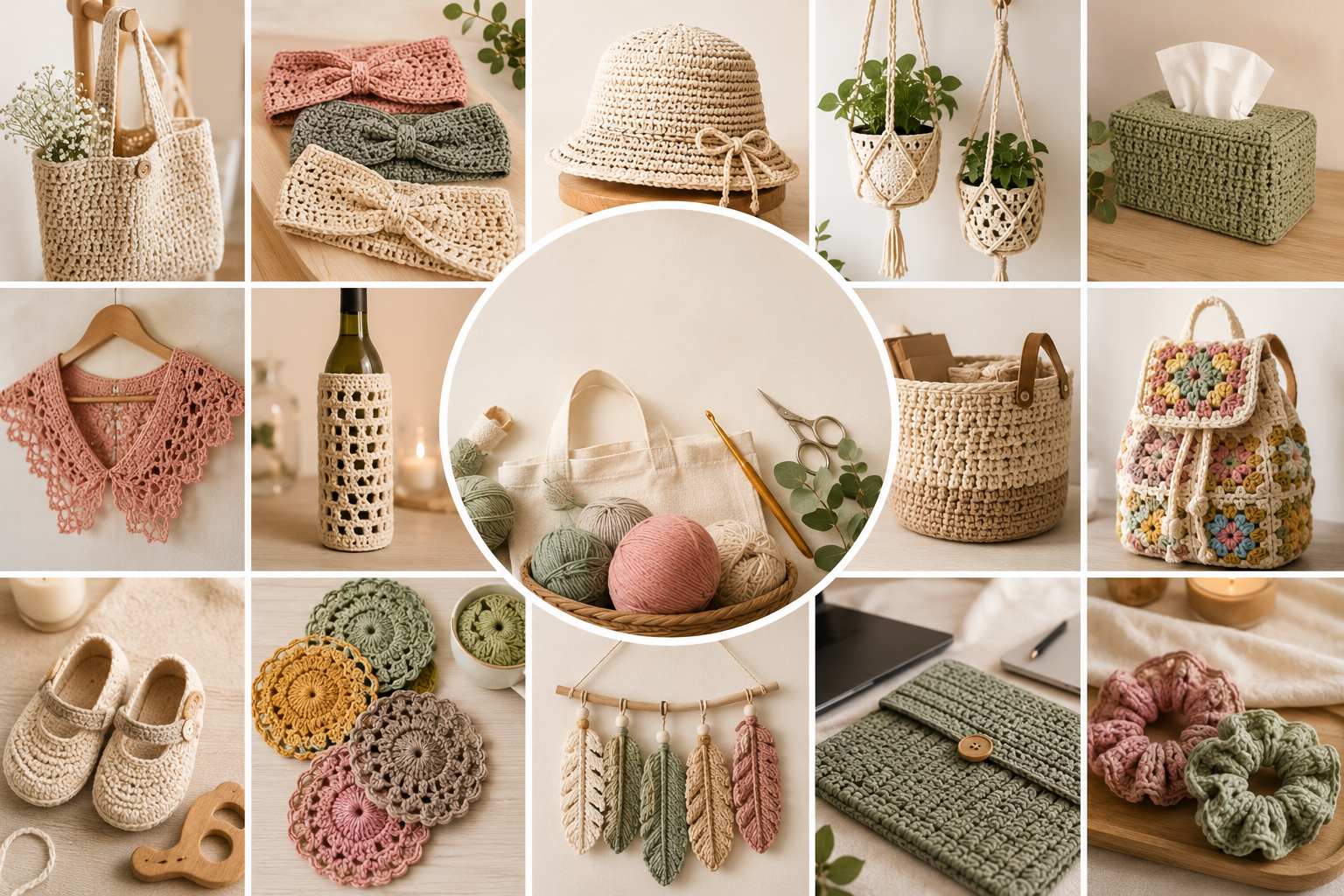
Launching a new product can feel risky for small handmade shops. Harvard Business Review notes that poor preparation often causes product launches to fail.
Using a pre-order model gives you a clear way to test demand before you spend time or money on full production. This approach helps you learn how customers respond, which items drive interest, and which products to prioritize.
Good pre-order marketing and simple strategy steps build brand awareness and can boost early sales. You also get useful feedback that shapes future launches and reduces unsold inventory.
For a sustainable business, plan the timeline, communicate clearly with buyers, and use marketing tips that match your store’s voice. The result is less stress, better production planning, and more confident growth.
Understanding the Value of Pre-Order Marketing for Crochet Sellers
A targeted pre-order approach gives store owners real evidence of demand before they invest in full runs of a product. It turns guesses into numbers you can use to plan production and cash flow.
Data from 2026 shows pre-order campaigns can boost launch-day revenue by up to 40% by capturing intent-to-buy weeks ahead. That lift helps small businesses increase sales and stabilize early traffic.
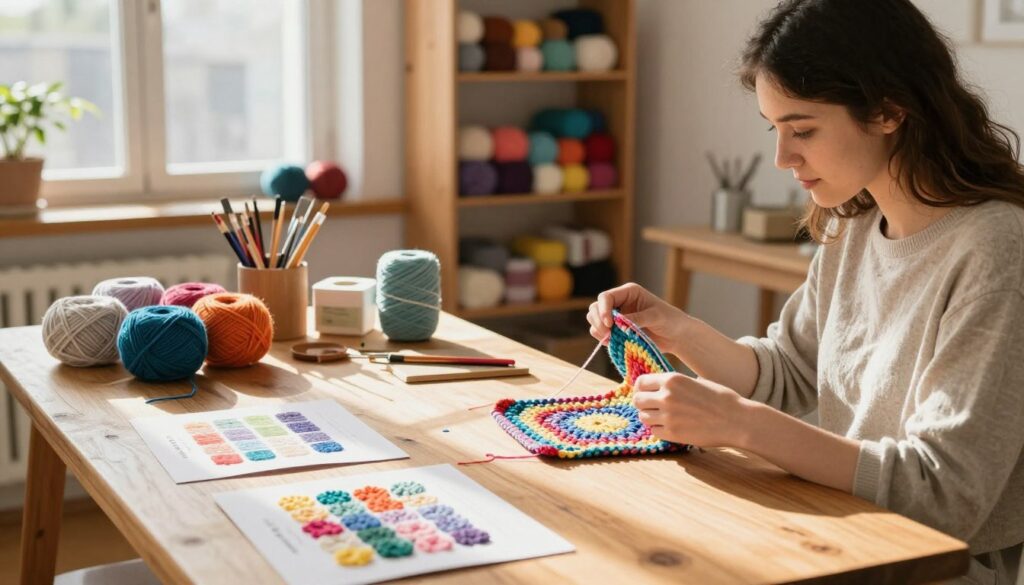
- Gauge customer interest in specific products and only make items that sell.
- Use pre-order sales to drive steady traffic and create momentum before full release.
- Build brand trust by offering clear timelines and limited batches that feel premium.
| Metric | Typical Impact | Why it Matters |
|---|---|---|
| Committed Orders | Better demand forecasts | Reduces dead stock and production risk |
| Launch-Day Revenue | +30–40% | Boosts cash flow and visibility |
| Customer Engagement | Higher repeat visits | Builds an audience for future products |
For store owners, the clear benefit pre-orders provide is twofold: you increase sales while learning which products earn long-term demand. Use this way to protect margins and grow your business with less risk.
Assessing Your Product Line for Pre-Order Potential
Begin with a focused review of your line to find items that match current customer trends and search interest.
Identifying high-demand patterns
Look at sales history, social signals, and platform trends to spot repeat winners.
Tools like Pinterest searches and shop analytics reveal which products attract steady engagement.
Mirai Knittery’s success shows how targeting eco-conscious customers and natural fibers can build a loyal audience.
Balancing customization with efficiency
Offer a core set of items that you can make quickly and a few customizable pieces that carry higher value.
Constellation Crochet’s personalized plushies work because the brand charges for extra time and keeps lead times clear.
When planning pre-order runs, measure lead time and labor per custom piece to protect margins and customer trust.
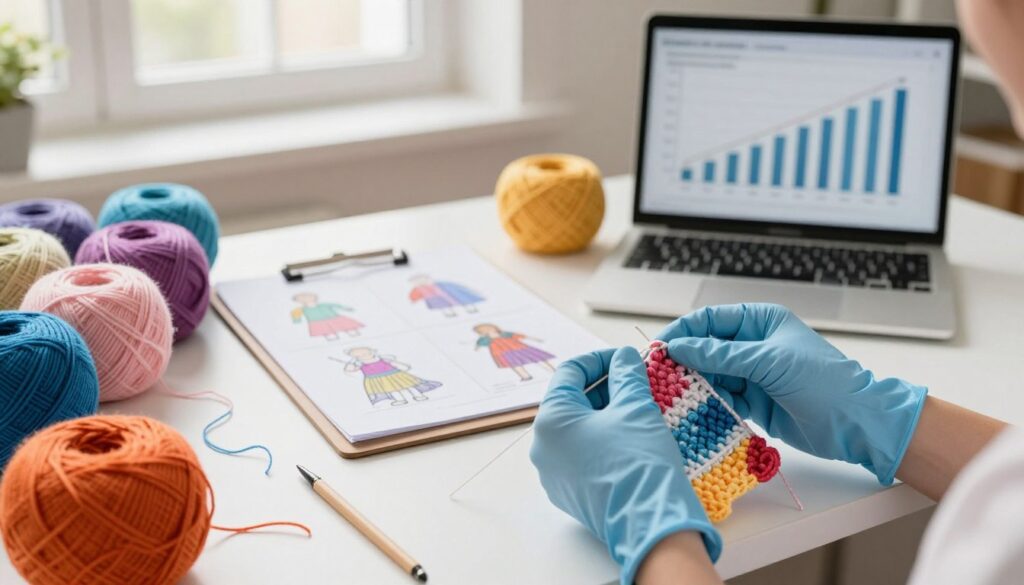
- Test new designs on social media to gather feedback before committing to a full run.
- Mix staple products with limited editions to keep steady demand across the year.
- Use pre-order marketing to validate demand and reduce wasted time and materials.
Implementing a Crochet Pre-Order Marketing Strategy
Choosing the right payment flow and platform sets the tone for your campaign. A clear plan helps convert customer interest into confirmed orders and protects your cash flow.
Pay Now gives you working capital and reduces cancellations. It works well when lead times are long and you want to lock in demand.
Pay Later lowers the barrier for hesitant buyers. It can increase traffic and early interest, but expect higher follow-up work and potential drop-offs.
Choosing Between Pay Now and Pay Later Models
Use Shopify or another reliable platform to handle checkout, stock, and updates. Store owners can swap standard buttons for pre-order options using apps like Notify Me.
| Model | Pros | Cons |
|---|---|---|
| Pay Now | Secures funds, fewer cancellations | Higher expectation for delivery timing |
| Pay Later | More sign-ups, lower friction | More reminders and possible lost orders |
| Hybrid | Offer deposit or full pay choices | Requires clear policy and communication |
Offer early discounts to reward customers willing to pay in advance. Plan updates and set a schedule so buyers always know the status of their product and expected ship time.
Leveraging Influencers and Social Proof to Build Hype
A well-timed collaboration with niche creators helps your brand reach ready-to-buy audiences fast. Use influencer relationships to show real use of a product, and focus on creators whose community matches your target customer.
Partnering with Niche Influencers
Choose small, focused creators on platforms where your audience spends time. Their recommendations feel authentic and drive higher conversion than broad ads.
Provide clear expectations, send early samples, and share unique discount codes so you can track sales from each influencer.
Creating Urgency with Limited Batches
Announce limited batches and set firm deadlines. Customers act faster when items are scarce and timelines are clear.
Transparency about ship time builds trust and reduces cancellations during campaigns.
Utilizing User-Generated Content
Encourage buyers and influencers to share photos and short reviews. User content supplies the social proof that turns interest into orders.
Managing Customer Expectations and Communication
Honest timelines and steady updates turn potential frustration into loyalty. Set clear delivery windows for each product and use those dates in your store listings and order confirmations.
Tell customers what steps you take to make items and how long each step takes. Use short posts on social media to highlight progress and share photos of production milestones.
Have a shipping plan before orders close. Confirm carrier options, pack times, and how you will handle delays so customers receive timely updates and feel secure.
- Post weekly progress updates to keep customers engaged and prevent questions.
- Publish a simple FAQ that explains production, refunds, and tracking policies.
- Train support to reply fast so every customer feels heard and valued.
Create professional content that shows the value of your handmade products. Clear, consistent communication across platforms preserves brand trust and helps your business scale without eroding sales.
Technical Setup for Your Online Store
A solid technical setup makes your online store feel professional and reliable the moment customers arrive.
Choose a platform that shows product photos clearly, handles orders, and keeps inventory accurate. Eglė Šilevaitė from Curly Knits uses Hostinger Website Builder to unite Pinterest, Instagram, and Threads into one brand home.
Make the site mobile-friendly. Many customers browse on phones and are willing pay for items straight from social media. Fast pages reduce lost sales and improve customer trust.
Integrate with sales platforms to drive traffic and expand your audience. Manage stock so you can see which products and items sell out, then adjust production time to match demand.
“Having a dedicated website connects all social channels and gives my brand a central place to convert interest into orders.”
Plan for peaks during pre-orders and scale hosting so your business stays online under load. A clear layout helps customers find the right product fast and supports better sales as your audience grows.
Conclusion
Running a controlled campaign lets you learn what products truly resonate with customers. This approach validates demand and helps your business avoid costly mistakes.
Plan launches well in advance, use clear timelines, and apply a focused marketing strategy. These tips build brand awareness and can increase sales with less risk.
Remember the main benefit pre-orders provide is community engagement as much as cash flow. Stay consistent, test new campaigns, offer exclusive discounts to loyal buyers, and refine your strategy.
With these steps, you have practical ways to boost sales and grow a sustainable brand. Now pick up your tools and start creating toward success.