This post comes from a maker who balances a busy life with five kids at home while running a professional crochet business. The goal is simple: build a clear system that protects your time and creativity.
Creating a structured plan helps you set weekly goals and keep steady progress across the year. When you map out projects and patterns ahead, you reduce stress and avoid last-minute rushes.
Many makers worry about taking on a custom order and losing control. With a reliable setup, you can accept requests and still keep quality high. This guide shows how to plan your week, protect family time, and maintain momentum.
Every maker deserves a sustainable path forward. Read on for practical steps to organize patterns, manage projects, and keep crocheting fun instead of frantic.
Establishing Your Crochet Order Production Schedule
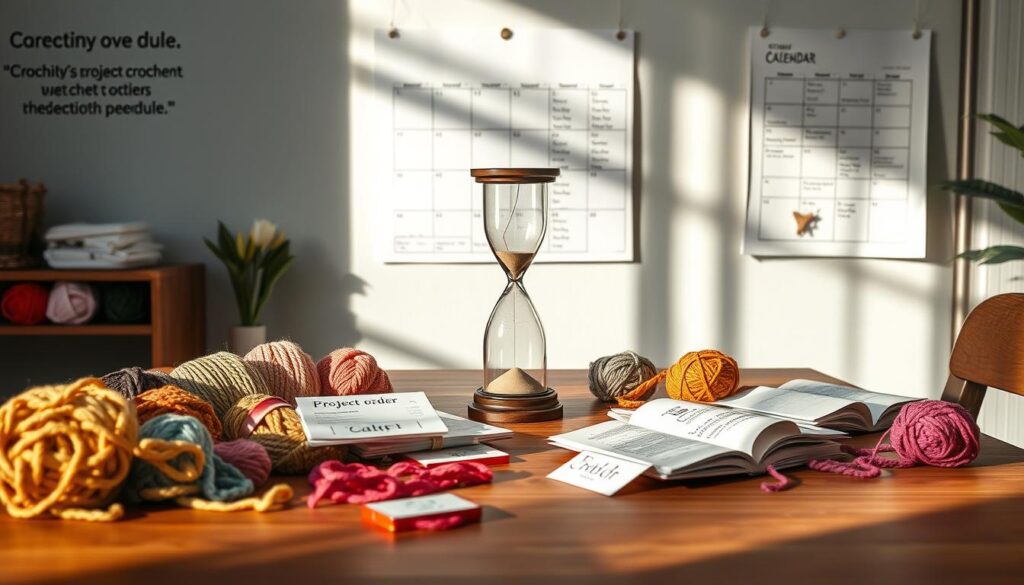
When family and business share the same home, planning clear blocks of hours keeps both running smoothly. Use a planner like the Erin Condren Life Planner or Your Best Year to give each task a place and protect creative time.
Prioritizing Tasks and Goals
Block off time for family, work, and specific projects each week. Treat those blocks as appointments you cannot move.
Review goals monthly and yearly. This helps you track progress and adjust priorities without losing momentum.
Calculating Time and Material Costs
Estimate total hours per piece and list material cost for yarn, stuffing, and safety eyes. Never price by materials alone; you sell skill and time.
| Task | Hours | Materials | Estimated Price |
|---|---|---|---|
| Small amigurumi | 4 | $5 yarn + eyes | $50 |
| Medium toy | 8 | $12 yarn + stuffing | $90 |
| Pattern development | 6 | $8 yarn samples | $75 |
Tip: Start by charging a modest hourly rate until you refine your cost model. Track progress each week so long-term goals stay on track.
Implementing Assembly Line Techniques for Efficiency
A focused assembly line approach let me finish many identical parts fast and stress-free.
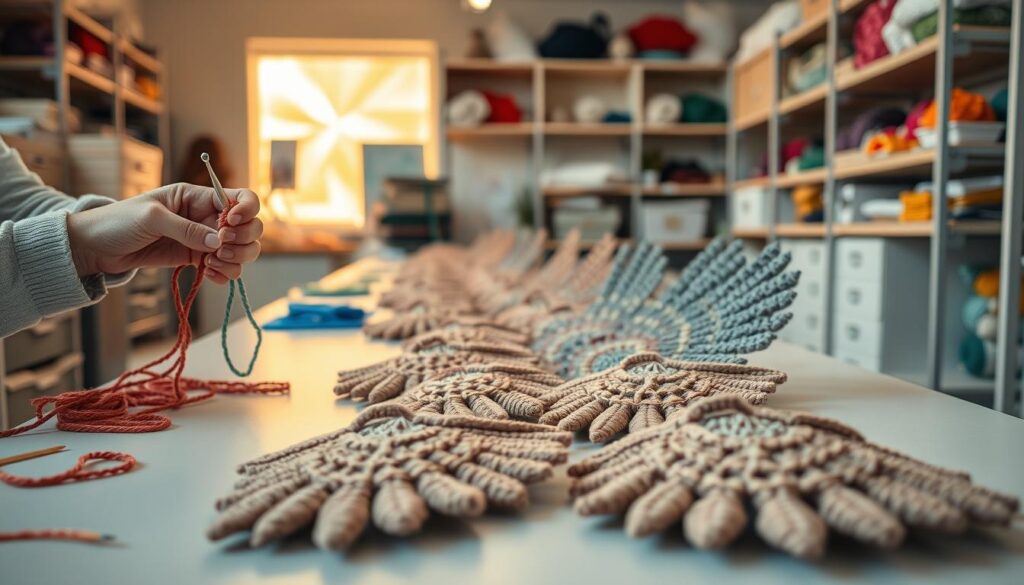
Start by grouping tasks: make all wings, then all white eye circles, then sew bodies. This rhythm cuts wasted time and removes constant thread changes.
Gather materials in a box so yarn, needles, and eyes stay tidy. Working one color at a time saves minutes each switch. The result felt like pure magic.
| Step | Batch Size | Estimated Hours |
|---|---|---|
| Make wings | 20 | 2 |
| Make white circles (eyes) | 20 | 1.5 |
| Assemble bodies & attach wings | 12 | 3 |
| Finishing & packaging | 12 | 1.5 |
Using this method, twelve tiny owls moved from 12 hours of work to about 8 hours over three days. Bulk parts—especially wings and eyes—create a steady pace.
At the end, you gain extra hours to improve packaging or write a new post. Try one batch and watch the process speed up.
Setting Professional Boundaries with Custom Clients
A firm start-and-end process for custom work saves hours and preserves your home life. Clear policies protect your time and set client expectations from the first message.
Defining Clear Policies
Require a 50% deposit before you start any custom piece. Ask for the balance before shipping to protect both materials and hours spent.
State your reply window: respond to client messages within 48 business hours. This keeps communication professional and predictable.
Managing Design Approval Processes
Use a Google Form to collect colors, size, and pattern choices. One centralized form filters out unserious requests and keeps every detail in one place.
Set an approval window of a few days for mockups. If a client requests a color change after you start, a $10 fee covers wasted materials and your added hour.
Handling Difficult Requests
Manage expectations when a complex item is needed in just a few weeks. Offer a faster timeline only for an adjusted price that reflects the extra hours and cost.
“Professional boundaries are not rude; they are a necessary part of running a business that respects your creativity and your personal life.”
If a client is unhappy, offer a repair. Remember: custom work is non-refundable because it uses your skills and materials. Stand firm on price—you’re selling artistry as much as an item.
Conclusion: Building a Sustainable Crochet Business
Protecting your hours lets you keep making beautiful items without burning out. Set simple systems that guard creative time and make your work predictable.
Use clear policies, batch methods, and a steady plan to keep projects moving through the year. These steps help your craft remain joyful and profitable.
Every custom order becomes a chance to show skill, not a crisis. Treat your yarn and designs as the art they are, and ask for fair terms that reflect your value.
Update one policy today—then enjoy more time doing what you love: crocheting with purpose and balance.