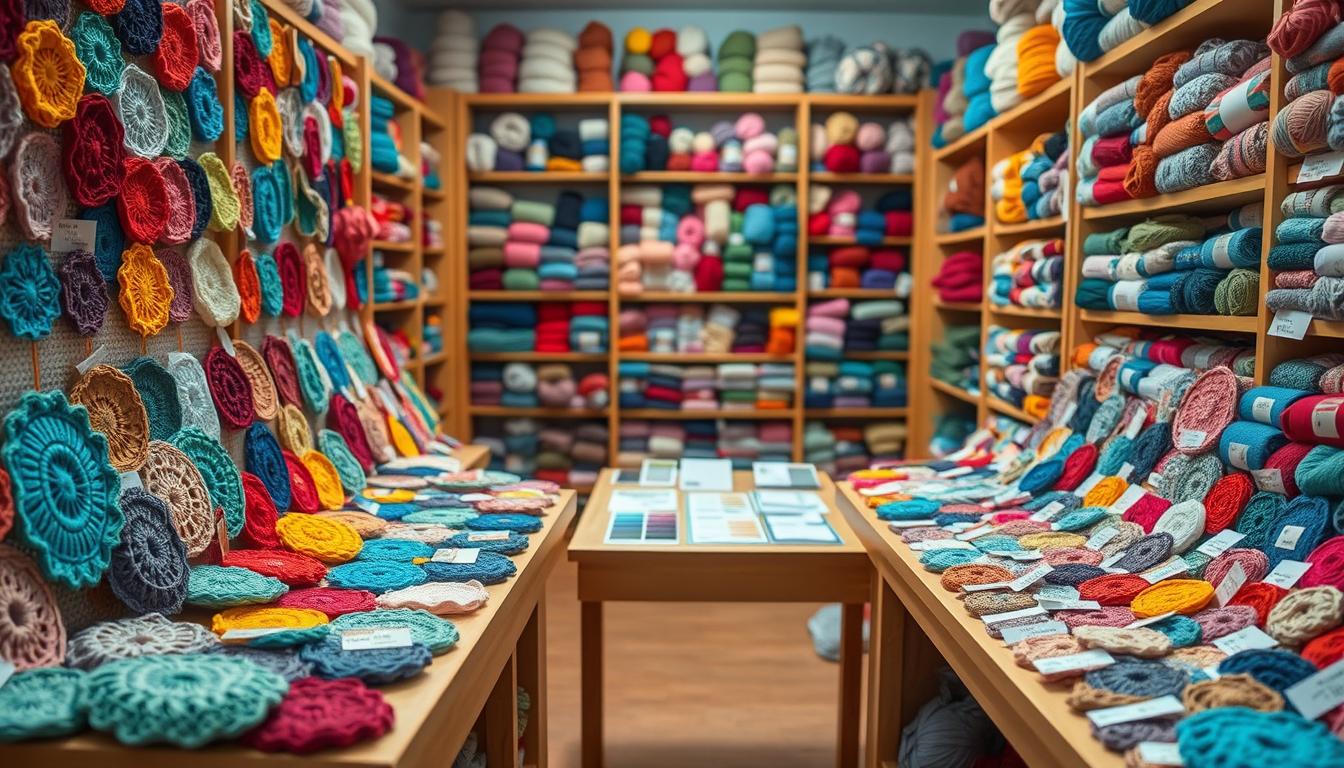
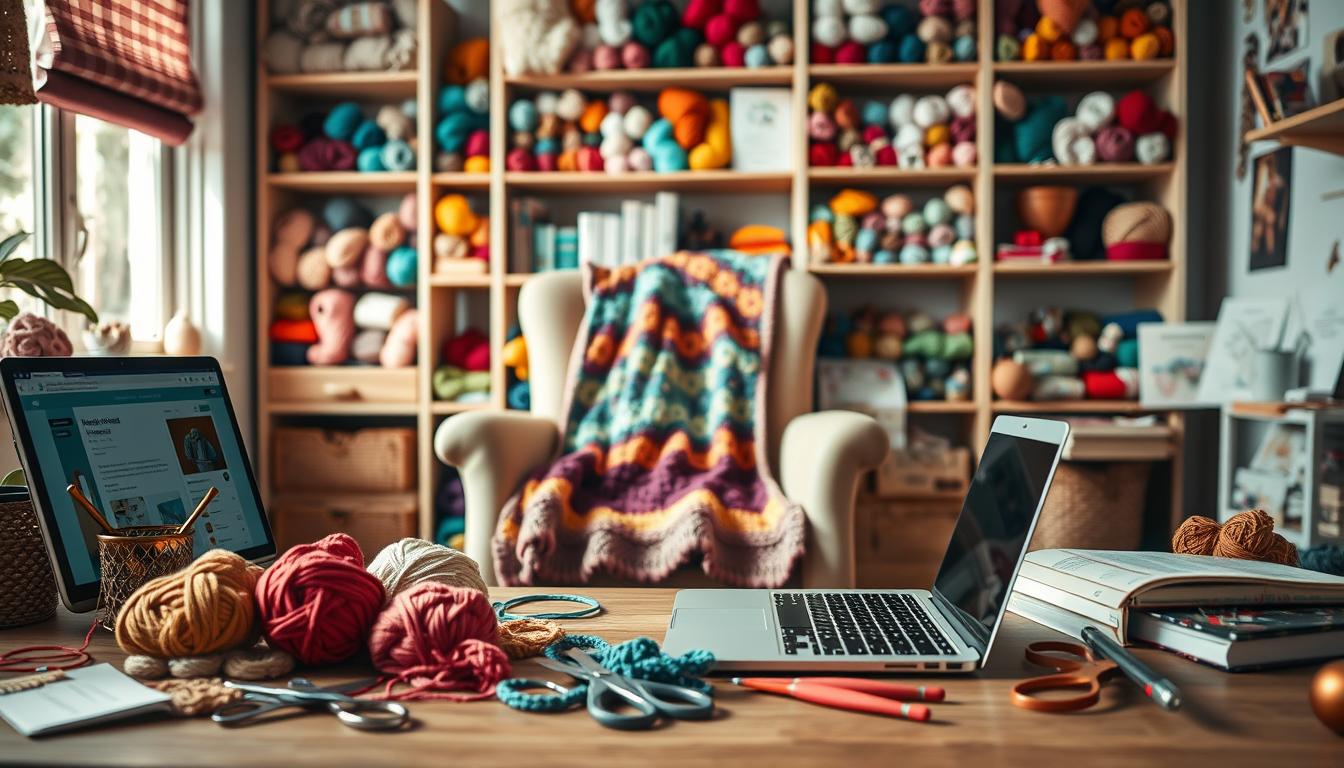
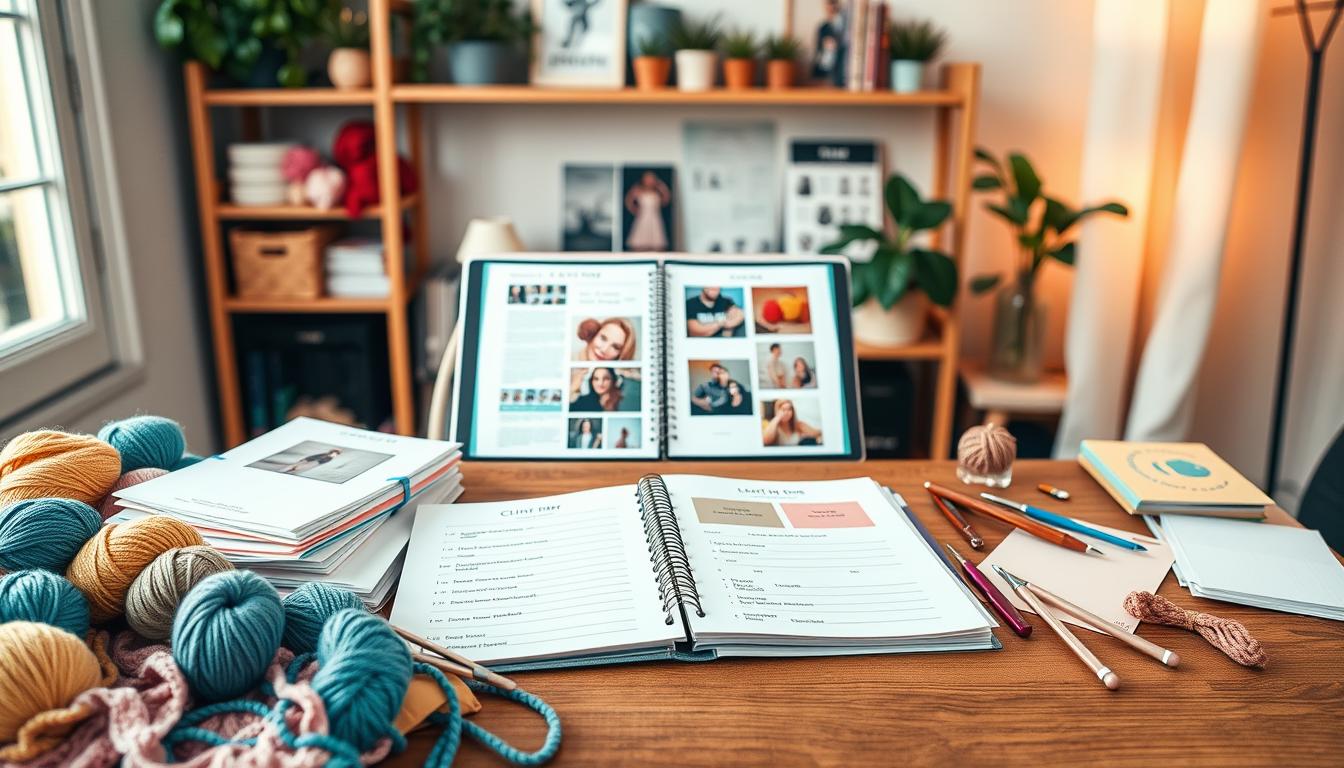
Maintaining a tidy space helps your handmade clothes and blankets stay beautiful for years. A simple schedule saves time and prevents dust from settling into delicate fibers.
Inspect yarn and finished items often. Use clean hands when you handle wool or mixed fibers to avoid oils and dirt transferring to stitches.
Spot-treat small stains with a mild detergent and cool water. Gentle washing and careful drying protect texture and color without stretching the work.
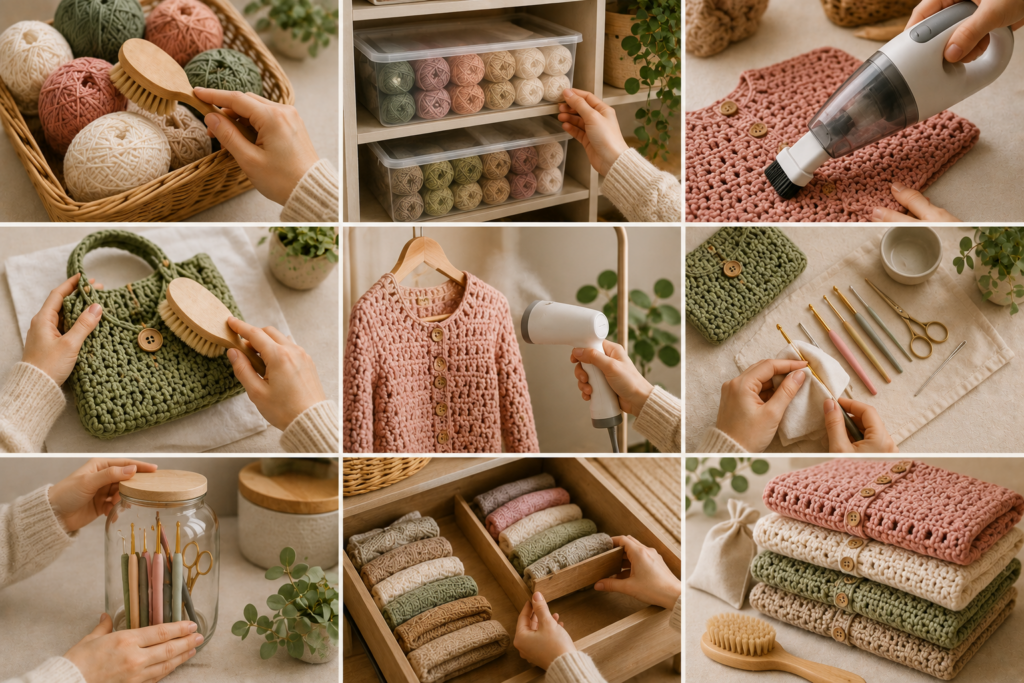
Organize tools and storage so finished crochet items are not exposed to airborne debris. These small care steps keep each project looking fresh and ready to enjoy.
Follow these practical tips and your collection will remain a cherished part of your home for many years.
Understanding Fiber Content and Care Requirements
Knowing what fibers you’re working with helps you pick the safest wash method for each project. Always check the yarn label before any treatment so you follow the maker’s guidance.
Natural Animal Fibers
Animal fibers like wool need gentle handling. Stitch & Story’s Chunky Wool is a roving yarn and must be hand washed only to avoid felting.
Lil’ Merino wool can tolerate a cold 20ºC delicate cycle with minimal spin, but hand washing remains a safe choice.
Synthetic and Plant-Based Yarns
Synthetic yarns such as acrylic are more forgiving; machine wash options are often allowed. Plant-based fibers like cotton are strong but can lose shape if treated roughly.
Understanding the fiber type helps you protect stitches and texture when laundering crochet pieces.
| Fiber Type | Typical Label Advice | Recommended Method | Risk |
|---|---|---|---|
| Roving wool | Hand wash only | Cold water, gentle soak, lay flat to dry | Felting, shrinkage |
| Merino wool | Delicate machine or hand wash | 20ºC delicate, low spin or hand wash | Stretch if spun hard |
| Acrylic | Machine washable | Warm wash, low spin | Pilling over time |
| Cotton | Machine or hand wash | Cold to warm, reshape while damp | Loss of structure if dried stretched |
Always prioritize the label and match care to the fiber to keep your work looking its best.
Essential Crochet Atelier Cleaning Routine
A few reliable habits make laundering delicate projects safer and faster.
Keep a clean sink or basin ready for hand washing small items. Use cool water and a mild detergent that shows the Woolmark symbol to protect wool and mixed yarn.
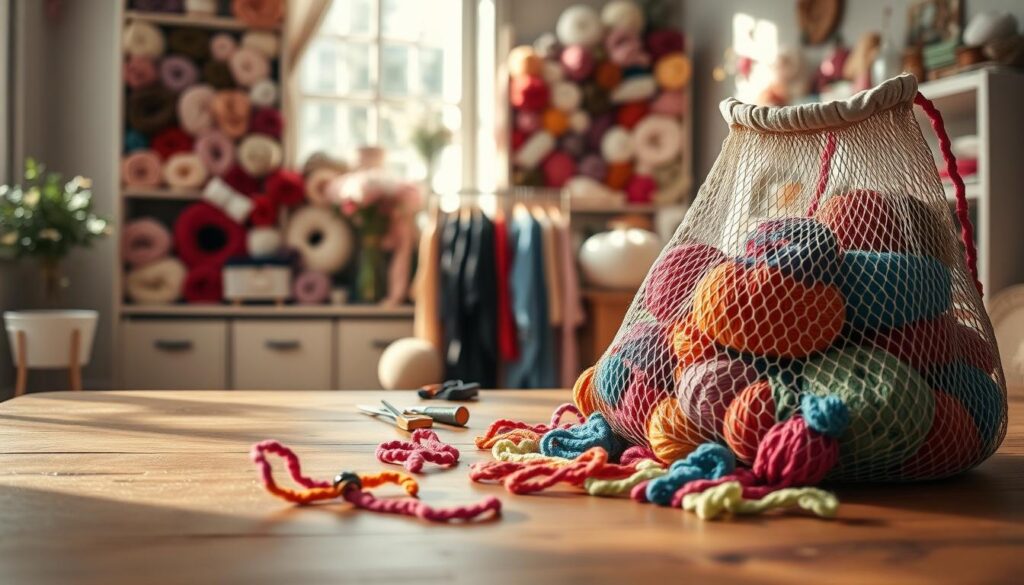
For spot clean needs, dab stains gently with a cloth instead of soaking the entire piece. This preserves shape and avoids distortion in blankets and clothes.
- Place blankets or clothes in a mesh laundry bag before using a washing machine.
- Choose the delicate cycle and low spin to reduce friction during machine washing.
- Set aside time to air dry projects flat so no moisture stays trapped in the fibers.
Tip: Mesh laundry bags significantly cut friction damage and help items keep their texture over time.
Best Practices for Hand Washing Delicate Projects
A careful hand wash lets fibers stay soft while removing dust and light stains. Use cool water and mild detergent to protect color and texture.
Preparing the Wash Basin
Fill a clean sink or basin with cool water and add a small amount of mild detergent. Swirl the water gently to distribute soap without creating heavy suds.
If you work with wool or cotton, keep the water temperature steady to avoid shrinkage or felting.
Gentle Cleaning Techniques
Gently submerge the item and swish it in the soapy water. Focus on any stained area by dabbing rather than scrubbing to protect stitches.
Never wring or twist a crochet item. Mechanical stress will distort the shape and damage the yarn and fibers.
Rinsing and Excess Water Removal
Rinse in cool water until soap is gone. After rinsing, lay the piece flat on a dry towel and roll it up to press out moisture.
- For large blankets or heavy projects, transfer to a drying rack and lay flat to finish drying.
- Use a clean towel surface and reshape the item as it dries to preserve its intended shape.
Machine Washing and Drying Techniques
A thoughtful machine wash can clean durable fibers without harming stitch definition. Use the washer only when the label allows it and the yarn is sturdy, such as many acrylics and blended yarns.
Using Mesh Laundry Bags
Always place items in a mesh laundry bag before loading the washing machine. The bag forms a barrier that stops hooks, zippers, and drum edges from snagging stitches.
- Select the delicate or hand-wash cycle and choose cool or warm water to reduce stress on fibers.
- Remove blankets and clothes promptly when the cycle ends and lay each item flat on a clean surface to air dry.
- If you use the dryer, add a clean towel and choose a low-heat or tumble-dry-low setting for appropriate synthetic yarns only.
- Check the yarn label for temperature guidance; even durable yarns can lose shape with too much heat.
Tip: Mesh laundry reduces abrasion and helps preserve the shape and texture of your handmade pieces during machine washing.
Removing Pills and Restoring Texture
A few simple steps will quickly bring back the soft texture of your favorite yarn pieces.
Start by laying the crochet item flat on a clean surface. Work in good light so you can spot small balls of fuzz without pulling the base strands.
Use a sweater stone in short, smooth strokes to lift pills. Stones give control and are gentler than electric shavers, so the stitch structure stays intact.
For wool pieces, consider a no-rinse detergent like Eucalan when you need a gentle refresh. Its lanolin content helps rejuvenate natural fibers without a full wash.
Avoid scissors for pill removal. Cutting a single strand risks unraveling the entire area.
| Tool | Best for | How to use | Risk |
|---|---|---|---|
| Sweater stone | All yarn types, delicate stitches | Short, light strokes across pills | Low if used gently |
| Fabric shaver | Dense synthetics and blends | Light passes, test on seam first | Can snag or thin yarn |
| No-rinse detergent (Eucalan) | Wool and blended items | Apply as directed; lay flat to dry | Overuse may leave residue |
Regular maintenance keeps blankets and small projects looking fresh. Remove pills often and use gentle products to protect texture and shape.
Proper Storage to Prevent Stretching and Damage
Store finished pieces flat or folded to keep their shape and avoid stress on fibers.
If you need to spot clean a stain before storage, use cool water and a mild detergent. Gently dab the area in a sink and rinse without wringing.
Always make sure blankets and clothes are completely dry before storing. Use a drying rack or lay the item flat on a clean towel until it feels dry to the touch.
For long-term storage, choose a breathable bag to block dust while letting air circulate. Keep items away from direct sunlight to prevent fading.
Check each piece for any remaining moisture or stains before packing it away to avoid mildew and damage.
| Storage Step | Why it matters | Best practice | Common mistake |
|---|---|---|---|
| Lay flat or fold | Prevents stretching and distortion | Fold loosely; avoid hanging | Hanging on hangers |
| Ensure fully dry | Stops mildew and odor | Use drying rack or towel | Storing damp items |
| Spot clean stains | Removes marks before storage | Cool water + mild detergent; dab only | Soaking or harsh scrubbing |
| Breathable bag | Protects from dust and pests | Use cotton or mesh storage bags | Plastic sealed containers |
Conclusion
Small, consistent care habits protect fibers and preserve color and form over time.
Follow simple tips and set aside a little time each week to inspect and refresh finished pieces. Gentle washing, careful handling, and proper storage add up to big benefits.
Use the recommended drying methods to avoid stretching or misshaping your work. Let items dry flat, and reshape them while damp when needed.
With steady attention and the right approach, each handmade item will remain a treasured piece for years to come.